Medication List for Doctor Appointments: What to Include
Create a medication list for doctor appointments with names, doses, timing, allergies, supplements, pharmacies, refill details, and smart questions to ask.
Read More →Explore our collection of health and wellness guides.
Create a medication list for doctor appointments with names, doses, timing, allergies, supplements, pharmacies, refill details, and smart questions to ask.
Read More →

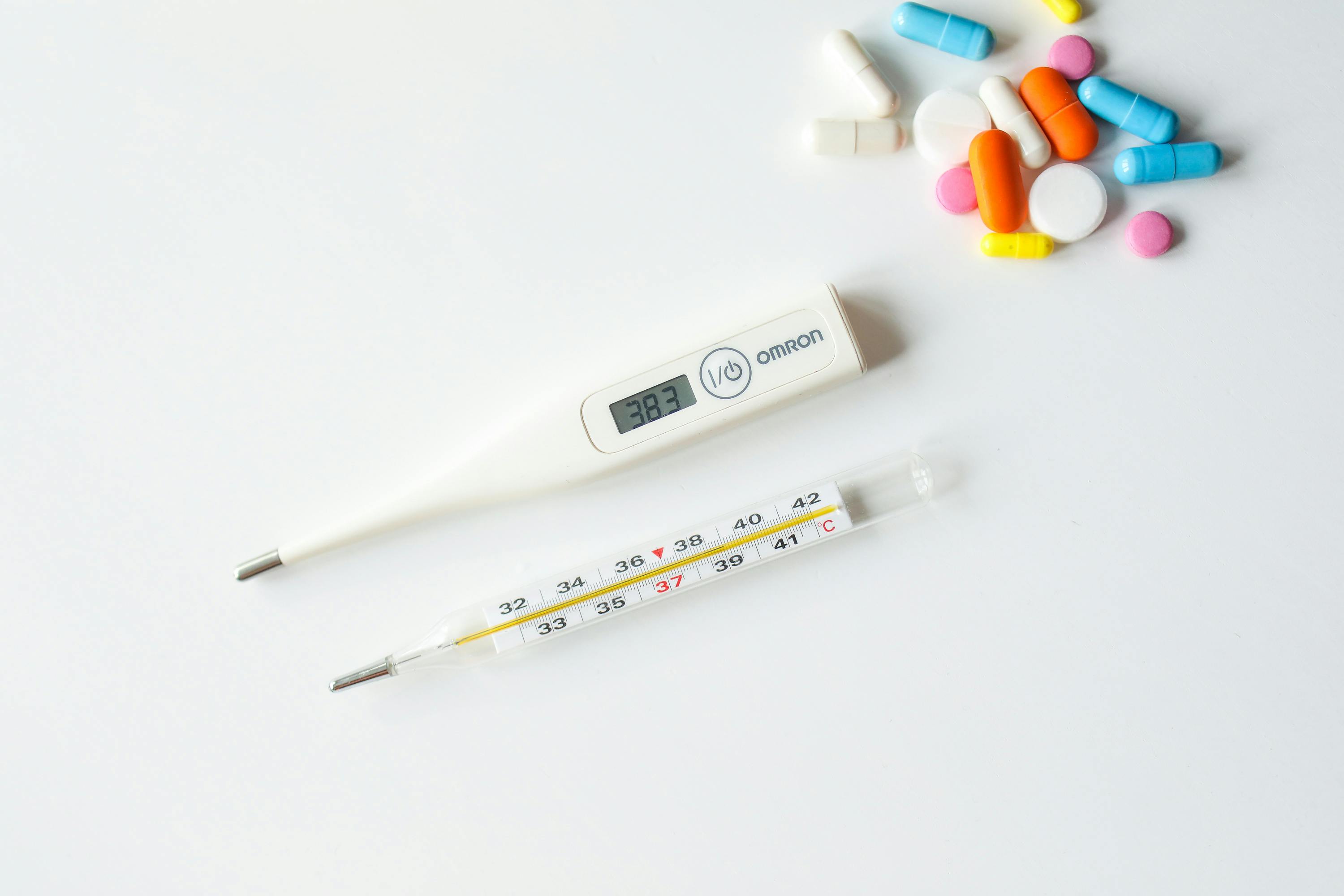
Learn why oral, ear, forehead, armpit, and rectal thermometer readings differ, how to avoid false fever checks, and when to call a clinician.
Read More →
Use a simple symptom tracker for doctor appointments so you can record timing, triggers, severity, questions, and changes clearly.
Read More →
Set up an ergonomic workspace with practical chair, monitor, keyboard, mouse, lighting, and movement checks to reduce strain during long desk sessions.
Read More →
Learn why screens cause eye strain, how to adjust your workspace, when to use the 20-20-20 rule, and when blurry vision or eye pain needs an eye exam.
Read More →
Use a fall-prevention checklist to reduce trip hazards, improve lighting, review footwear, and ask about balance training.
Read More →
Build better posture with simple desk, movement, and strength habits that reduce strain without turning your day into a workout plan.
Read More →
Use realistic screen-time boundaries, sleep-friendly routines, and phone settings that make digital habits easier to manage.
Read More →
Learn practical headache relief steps, common triggers, hydration cues, rest strategies, and warning signs that need medical care.
Read More →
Use gentle movement, heat, positioning, and red-flag checks to manage common lower back pain more safely at home.
Read More →
Understand why muscle cramps happen, what may help in the moment, and when repeated cramps deserve a clinician conversation.
Read More →
Try short desk-friendly posture exercises that help loosen tight areas and support better sitting mechanics during long workdays.
Read More →
Learn why recovery days support progress, how to spot under-recovery, and what active rest can look like in real life.
Read More →
Review common reasons feet swell, simple tracking steps, and red flags that should be checked by a healthcare professional.
Read More →
Compare tension headaches and migraines by symptoms, triggers, duration, and when a headache should be evaluated urgently.
Read More →
Understand how alcohol affects sleep, blood pressure, liver health, and long-term risk so you can make a more informed choice.
Read More →
See how strength training supports muscle, balance, metabolism, and healthy aging, plus how beginners can start safely.
Read More →
Learn when common vitamins are usually taken, which ones pair better with food, and when supplement timing actually matters.
Read More →
Find out how caffeine timing can affect sleep and how to set a cutoff that works with your routine.
Read More →
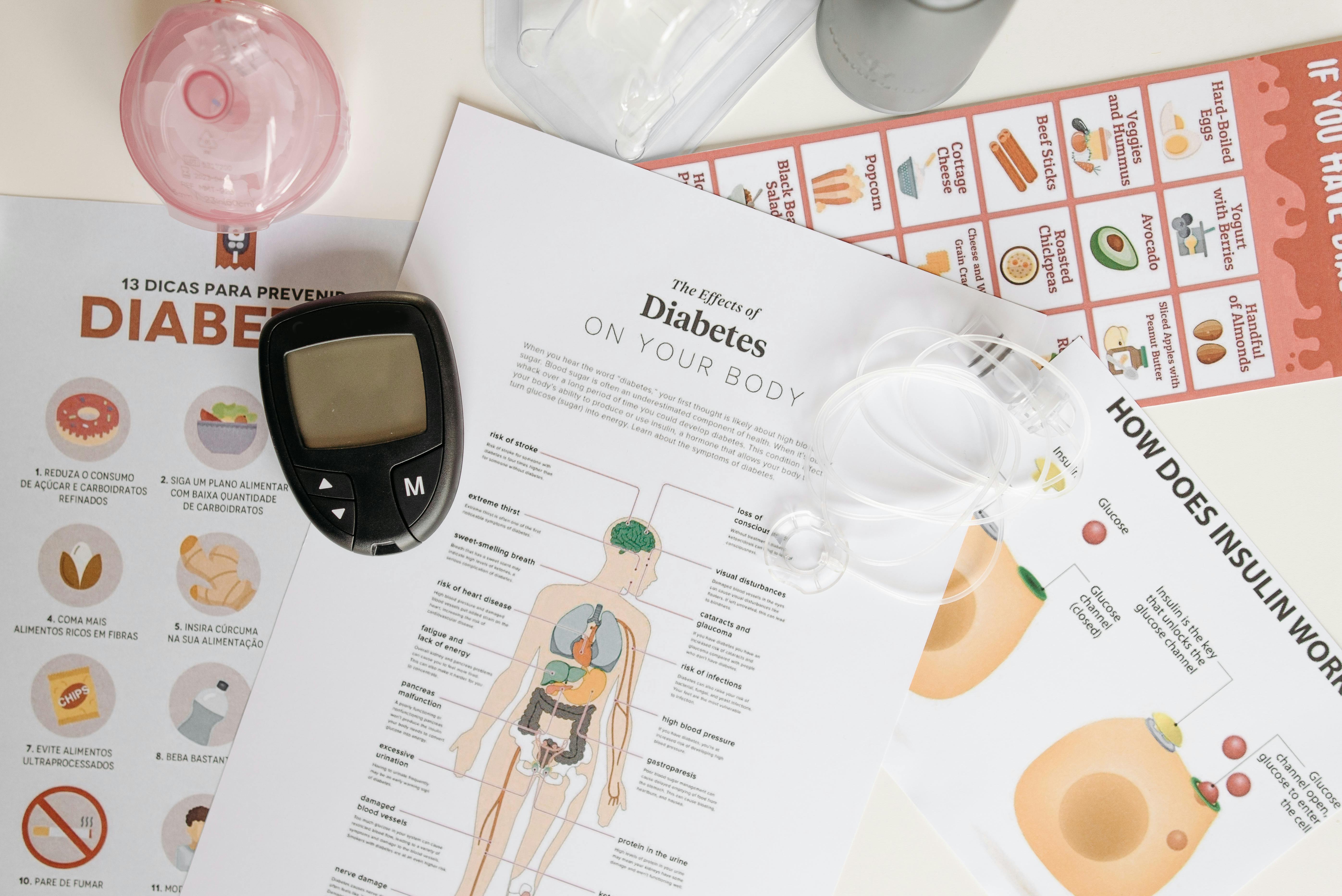
Use evidence-based lifestyle steps for diabetes prevention, including food, activity, sleep, weight, and follow-up testing.
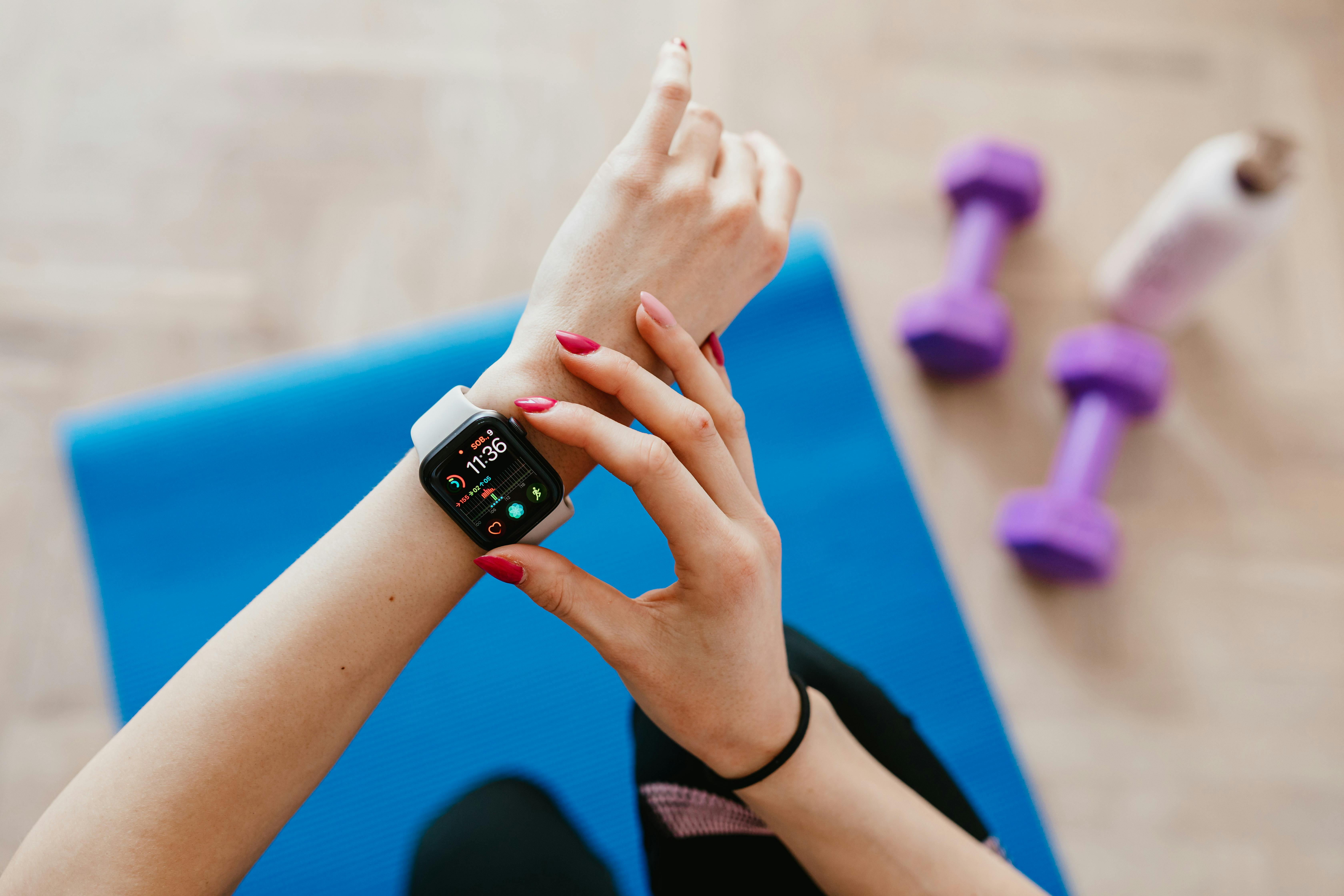
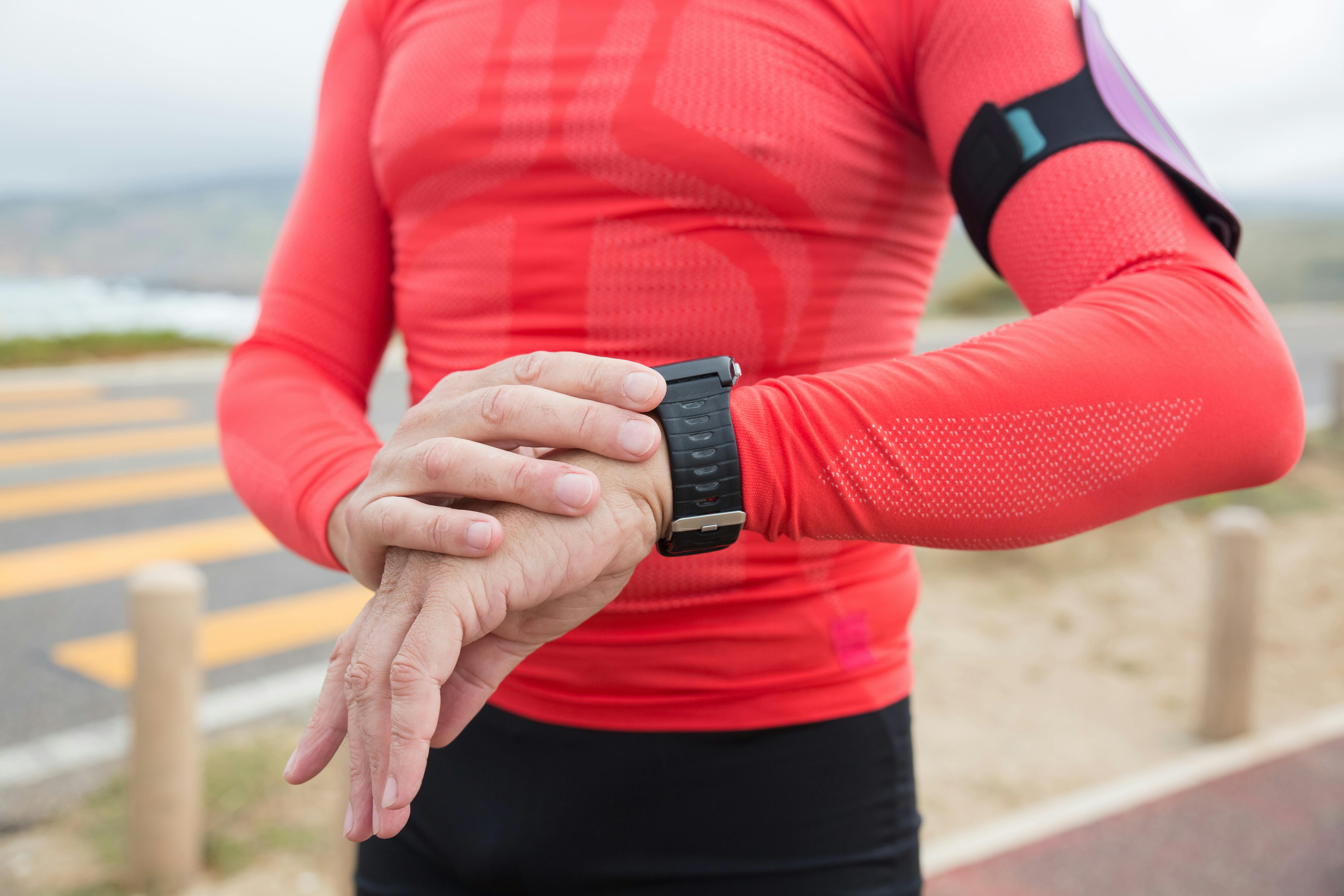
Read More →Use your fitness tracker for trends that matter, including steps, heart rate, sleep, and progress patterns worth discussing.
Read More →
Start with the basics of gut health, fiber, food variety, symptoms to track, and when digestive issues need medical advice.
Read More →
Use practical food, routine, and symptom-tracking steps to support gut health without chasing every wellness trend.
Read More →
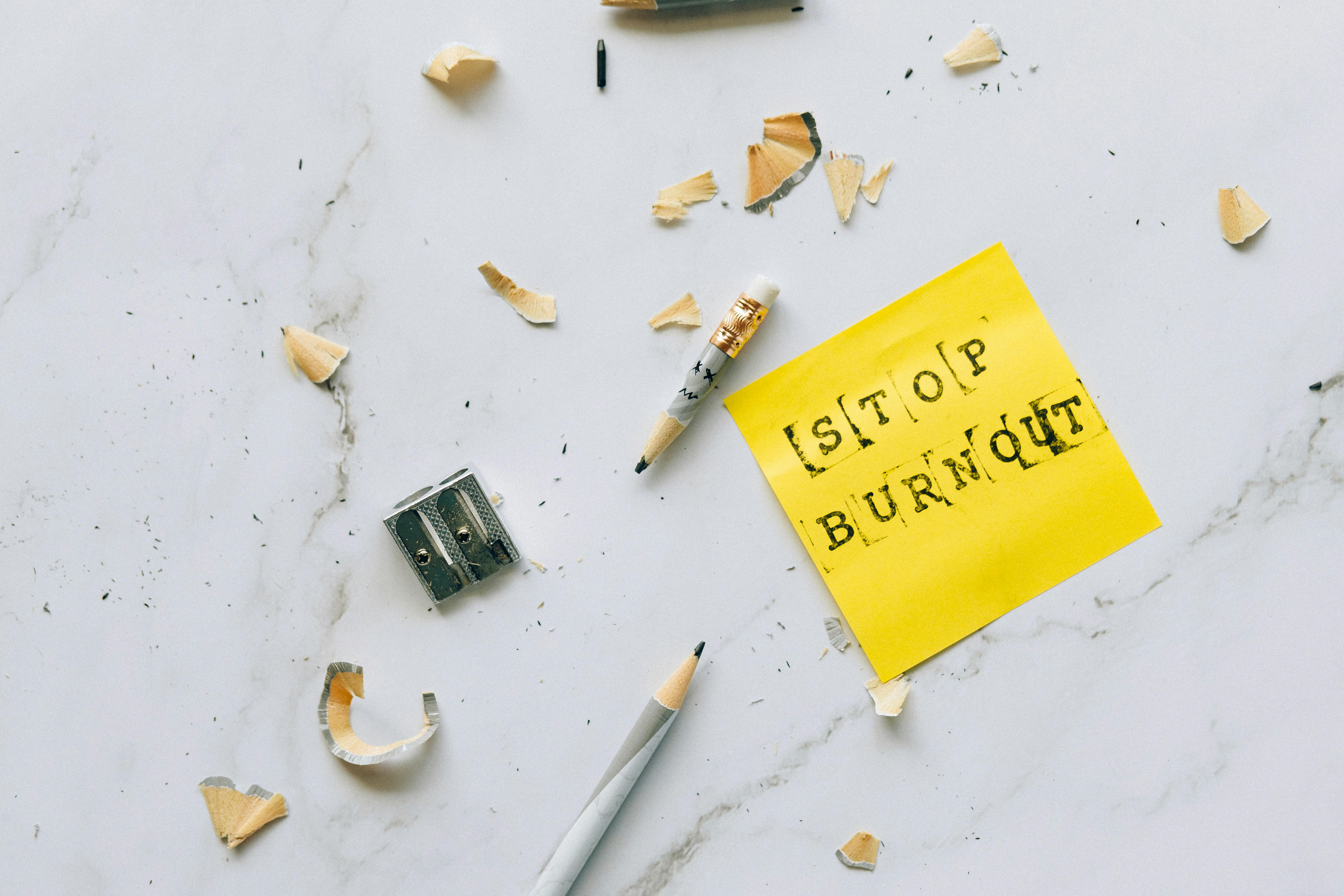
Build a calmer burnout recovery plan with rest, workload boundaries, support, and signs that professional help may be useful.
Read More →
Learn how to set clearer boundaries at work, home, and online without overexplaining or creating unnecessary conflict.
Read More →
Track fitness progress with useful markers beyond the scale, including strength, endurance, energy, and consistency.
Read More →
Support immune health with sleep, vaccines, nutrition, movement, and hygiene habits that have stronger evidence behind them.
Read More →
Use simple journaling prompts and routines to process stress, notice patterns, and prepare better conversations with a clinician.
Read More →
Start meditation with short, realistic sessions and learn what to do when your mind wanders.
Read More →
Understand what prediabetes means, which numbers matter, and which lifestyle steps can reduce future diabetes risk.
Read More →
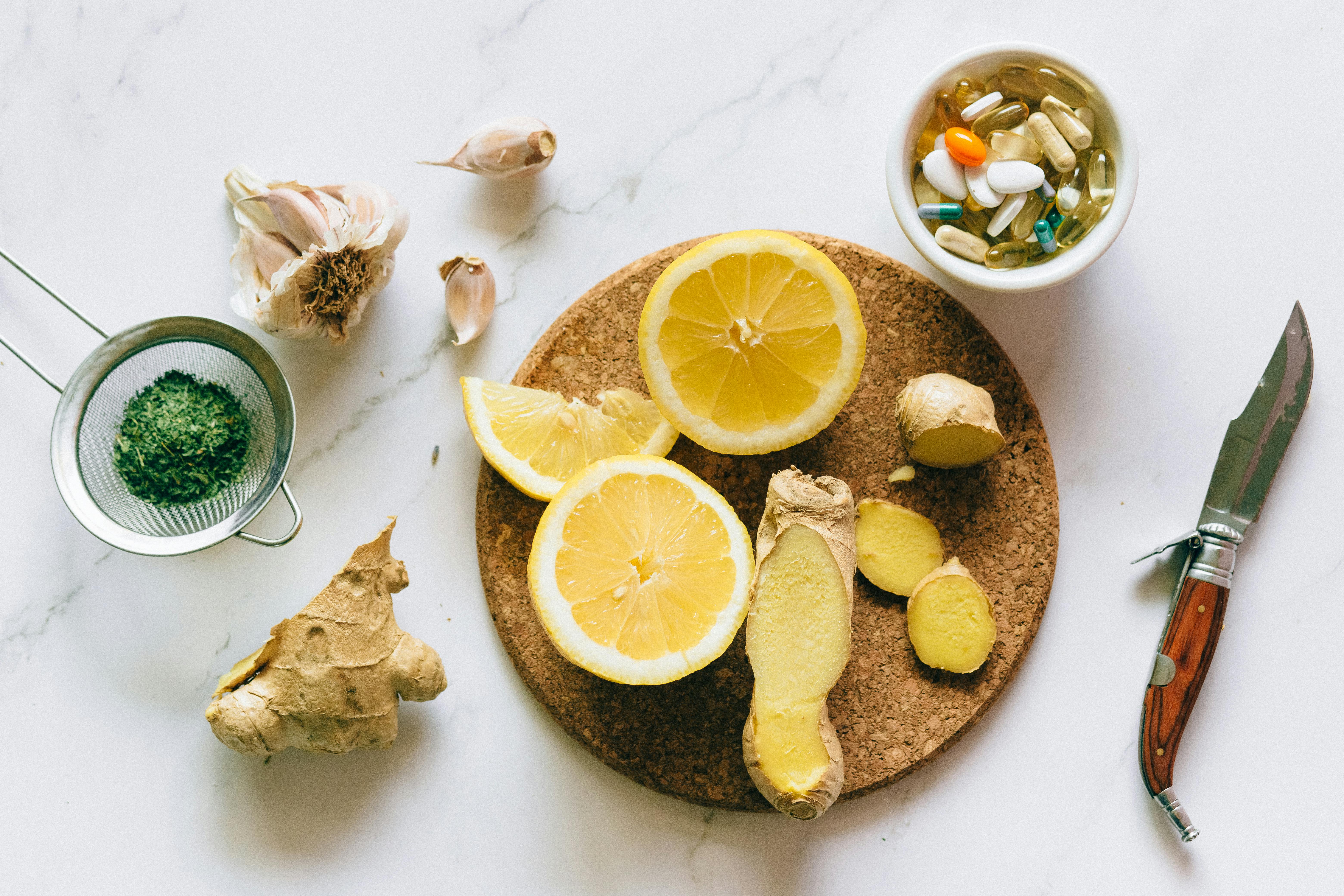
Recognize seasonal depression patterns, track symptoms, and know when low winter mood deserves professional support.
Read More →
Spot burnout signs early, including exhaustion, detachment, sleep changes, and work stress patterns that need attention.
Read More →
Learn common vitamin D deficiency symptoms, who is at higher risk, and when testing may be worth discussing.
Read More →
Start strength training with basic movement patterns, realistic frequency, and safety tips for building confidence.
Read More →
Use a beginner stretching routine that supports mobility without pushing into pain or overcomplicating recovery.
Read More →
Understand metabolism in plain language, including what affects it and why quick-fix claims usually miss the point.
Read More →
Compare LDL, HDL, triglycerides, and total cholesterol so your lab results are easier to discuss with your clinician.
Read More →
Build a useful home health kit with practical tools for monitoring, first aid, and everyday health tracking.
Read More →
Evaluate wellness programs by evidence, safety, sustainability, and whether the plan fits your real life.
Read More →
Review major healthcare trends, including telehealth, costs, prevention, and how patients can prepare for changing care.
Read More →
Use a practical framework for sorting credible wellness advice from hype, trends, and unsupported claims.
Read More →
Explore a whole-person wellness model that connects physical, emotional, social, and daily-life habits.
Read More →
Learn how to read public health alerts, judge urgency, and decide what action is actually useful.
Read More →
Use five simple wellness principles to make health decisions with less noise and more confidence.
Read More →
Learn how to read health headlines and research claims without overreacting to one study.
Read More →
Learn what makes a health blog trustworthy, from sources and medical review to clear safety limits.
Read More →
Review basic first aid steps for common situations, including bleeding, burns, sprains, and when to call emergency services.
Read More →
Try three simple breathing exercises for anxiety, with plain instructions and tips for using them during stressful moments.
Read More →
Understand deductibles, copays, coinsurance, and out-of-pocket costs so medical bills feel less confusing.
Read More →
Build realistic healthy habits with a checklist for sleep, movement, food, hydration, stress, and routine follow-through.
Read More →
Build a practical home health kit with first aid supplies, basic monitoring tools, and items worth checking before they expire.
Read More →
Learn how hydration needs vary by activity, weather, health status, and diet, plus simple signs you may need more fluids.
Read More →
Use quick calming techniques for anxious moments, including breathing, grounding, muscle relaxation, and when to seek help.
Read More →
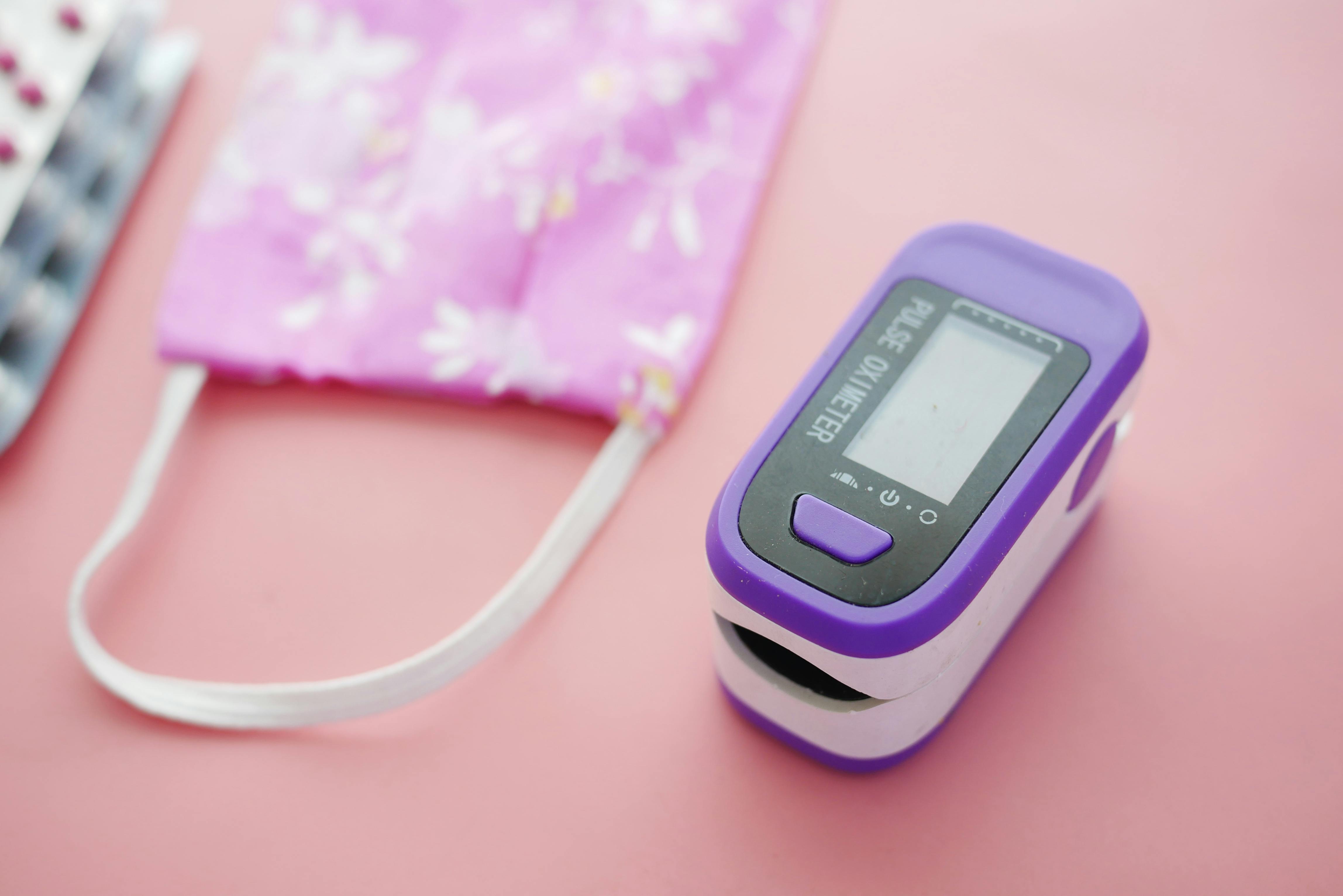
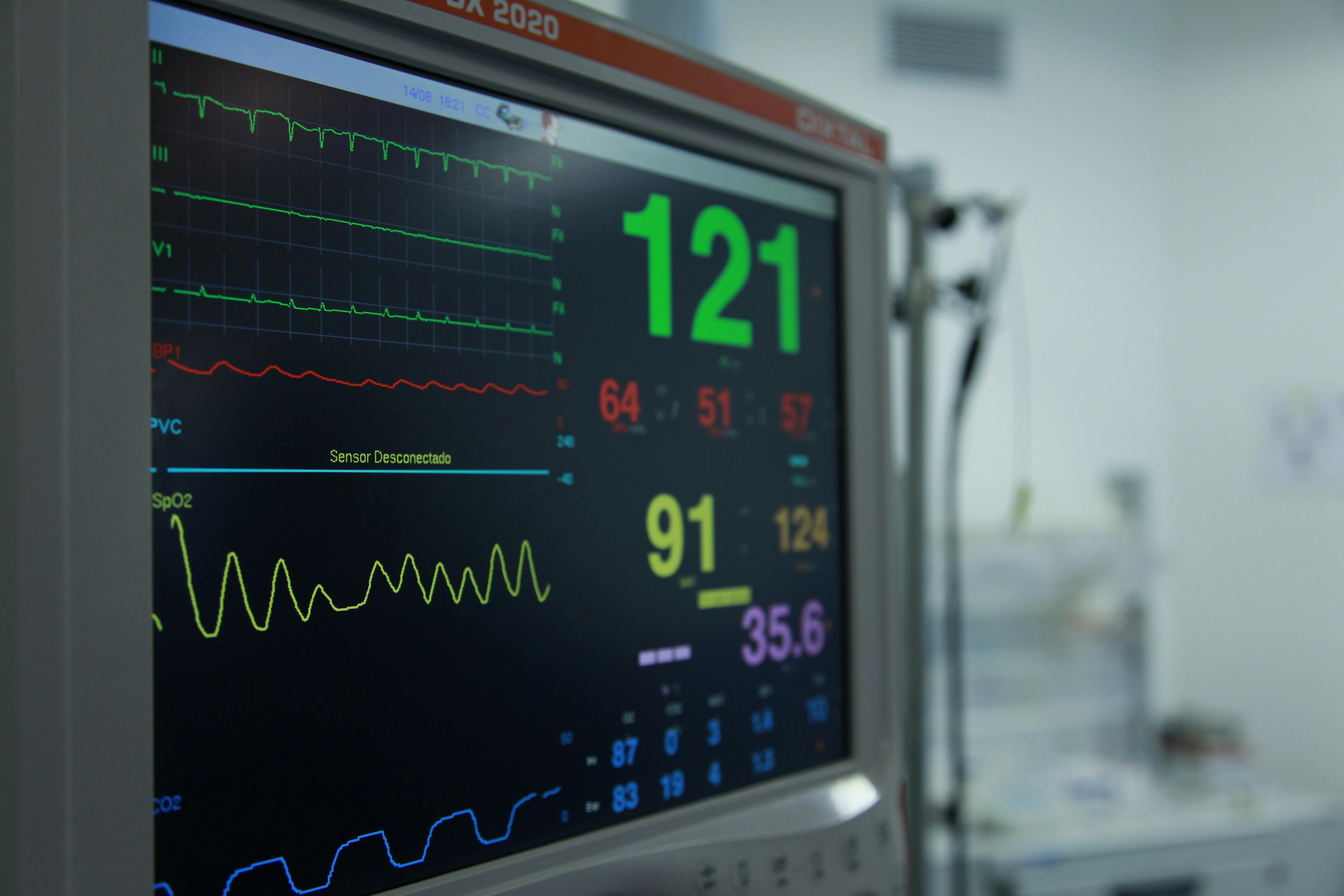
Understand typical pulse oximeter readings, common measurement errors, and oxygen levels that need medical attention.
Read More →
Use practical stress management techniques for busy days, including breathing, planning, boundaries, and recovery habits.
Read More →
Build anti-inflammatory meals with everyday foods like vegetables, beans, fish, nuts, olive oil, and whole grains.
Read More →
Understand LDL, HDL, triglycerides, total cholesterol, and which numbers to discuss with your clinician.
Read More →
Choose easy high-protein snacks that fit busy days and help support steadier energy between meals.
Read More →
Learn how much fiber adults often need, why it matters, and simple ways to add more fiber without overhauling every meal.
Read More →
Understand heart rate zones, exercise intensity, and how to use zone training without making workouts complicated.
Read More →
Estimate daily protein needs based on body size, goals, age, and activity, then build meals around practical protein sources.
Read More →
Support a healthier resting heart rate with sleep, activity, hydration, stress management, and when to ask for medical advice.
Read More →
Read nutrition labels with less confusion by focusing on serving size, fiber, added sugar, sodium, protein, and ingredients.
Read More →
Understand intermittent fasting basics, possible benefits, common risks, and who should talk with a clinician first.
Read More →
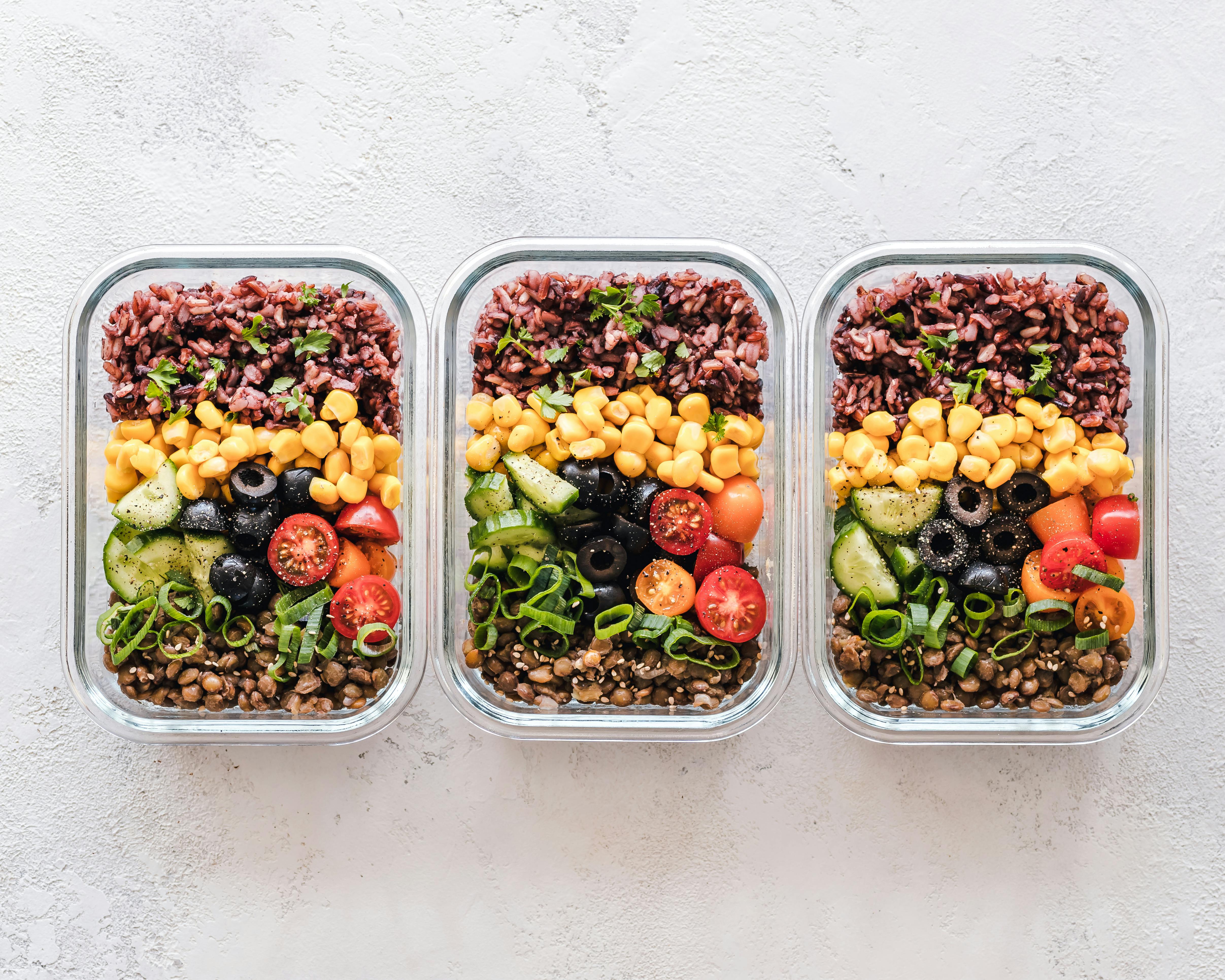
Start meal prep with a simple weekly system for planning, shopping, cooking, and using leftovers without wasting food.
Read More →
Learn what resting heart rate can tell you, what affects it, and when a change is worth discussing with a clinician.
Read More →
Prepare for an annual physical with what to bring, what may be checked, and which questions are worth asking.
Read More →
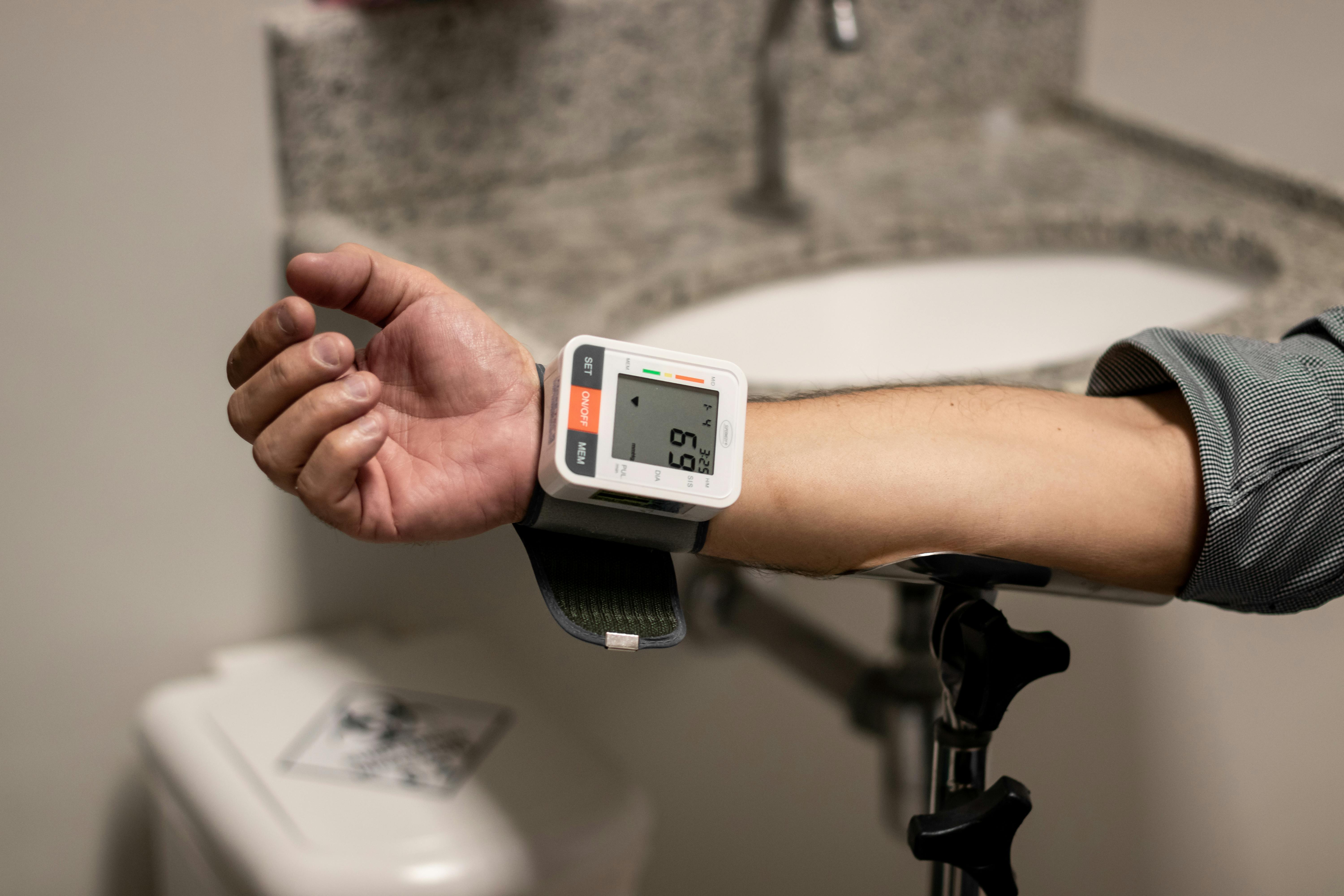
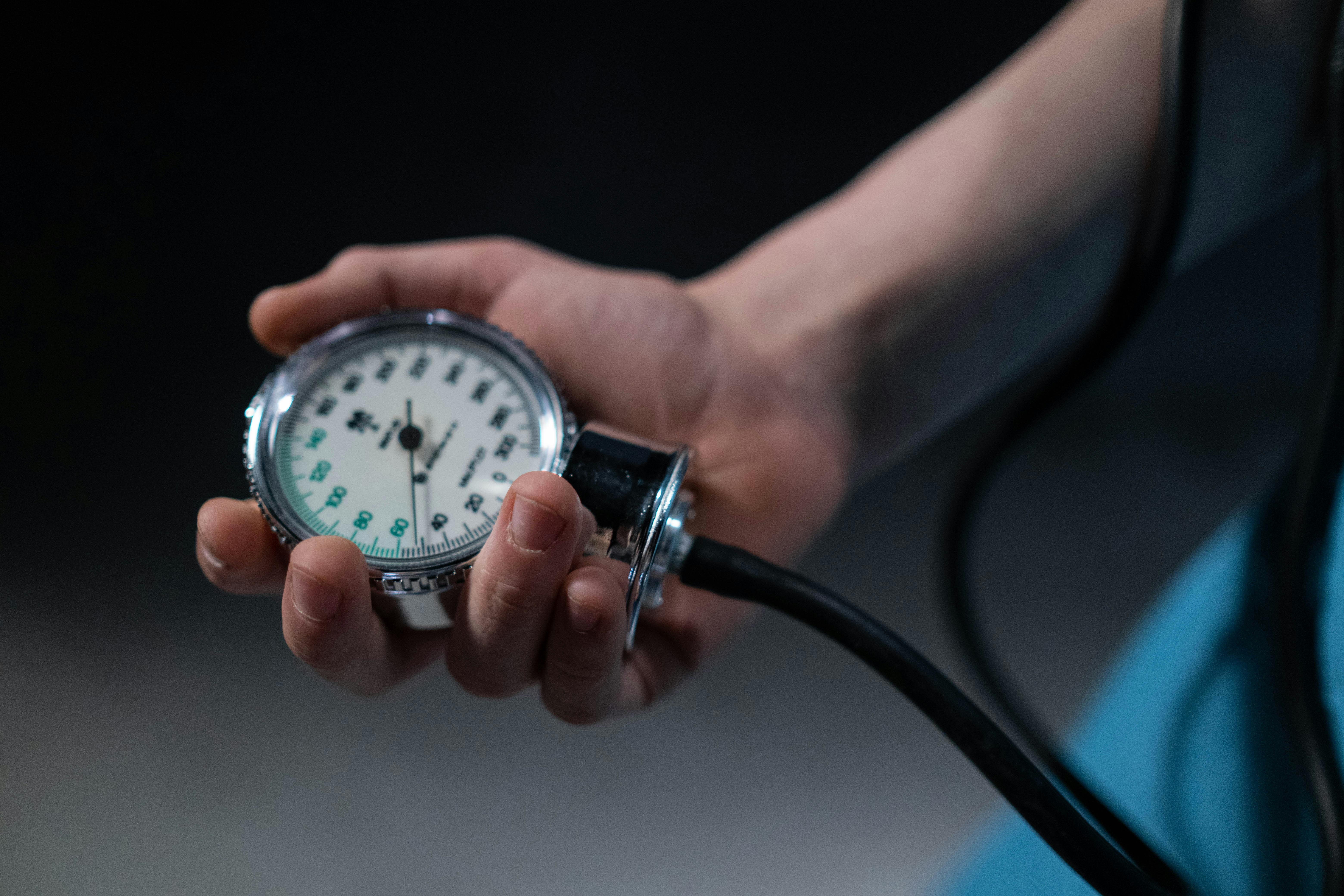
Learn when to check blood pressure at home, how often to measure, and how to keep readings useful for your clinician.
Read More →
Understand systolic and diastolic blood pressure numbers, common categories, and why one reading is not the whole story.
Read More →
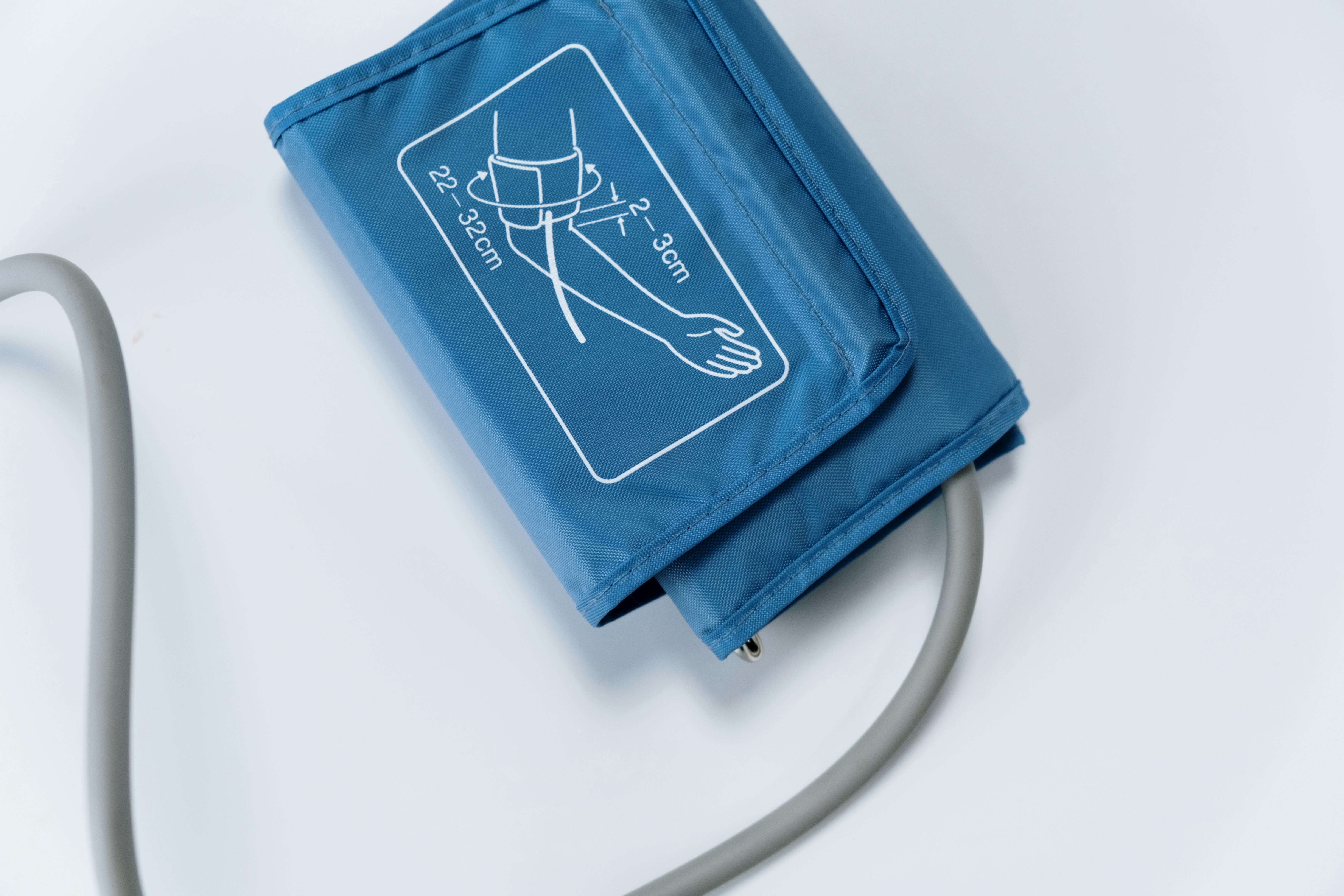
Use this cuff size chart to measure your arm, choose the right fit, and avoid false home blood pressure readings.
Read More →
Track blood sugar at home with better timing, cleaner technique, useful notes, and a simple log your healthcare team can actually use.
Read More →
Learn whether you should pop a burn blister, how to protect it, what to do if it breaks, and when to get medical care.
Read More →
Recognize common adult concussion symptoms, delayed warning signs, and when head injury symptoms need urgent care.
Read More →
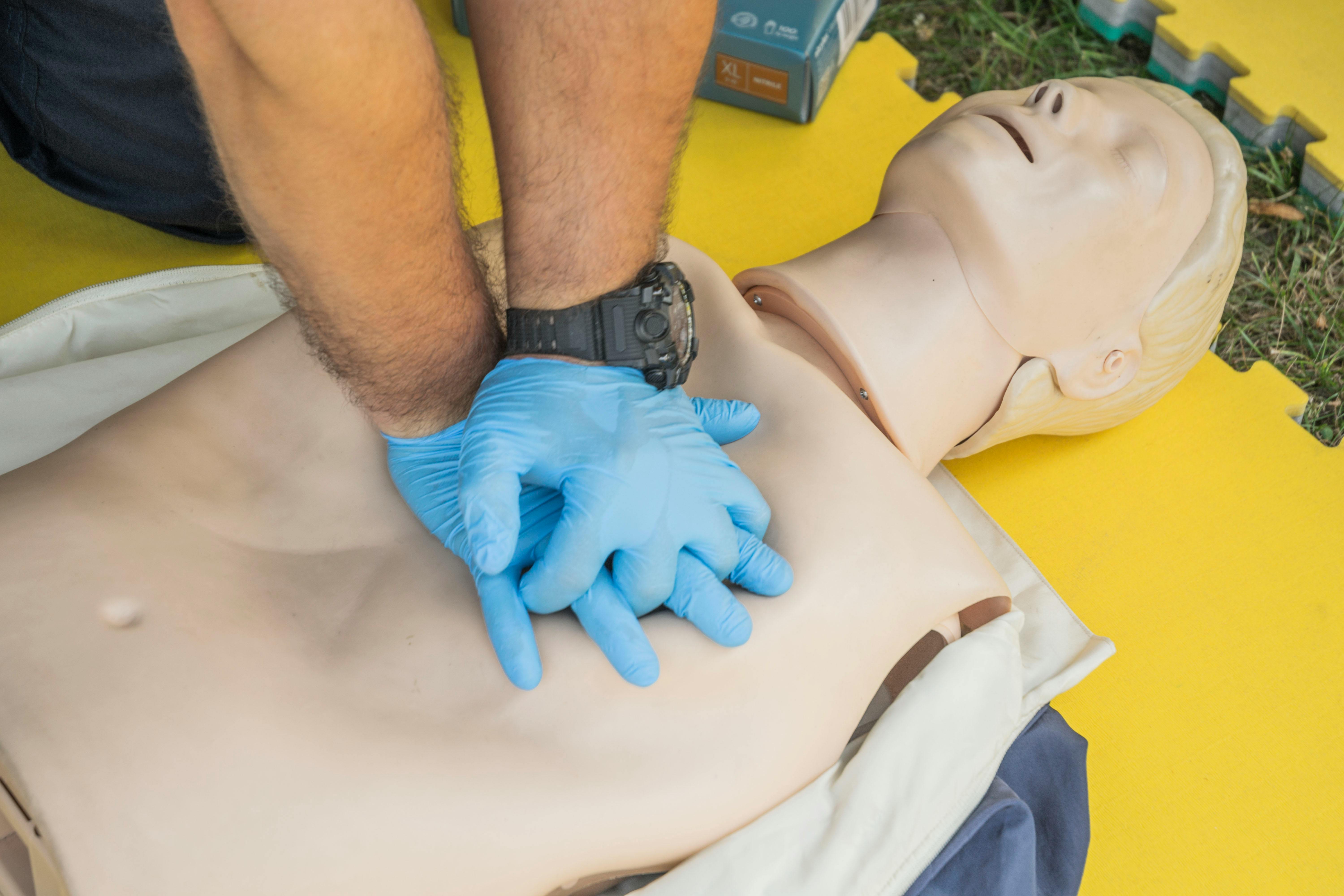
Learn the basic first minutes of CPR, when to call emergency services, and how bystanders can act before help arrives.
Read More →
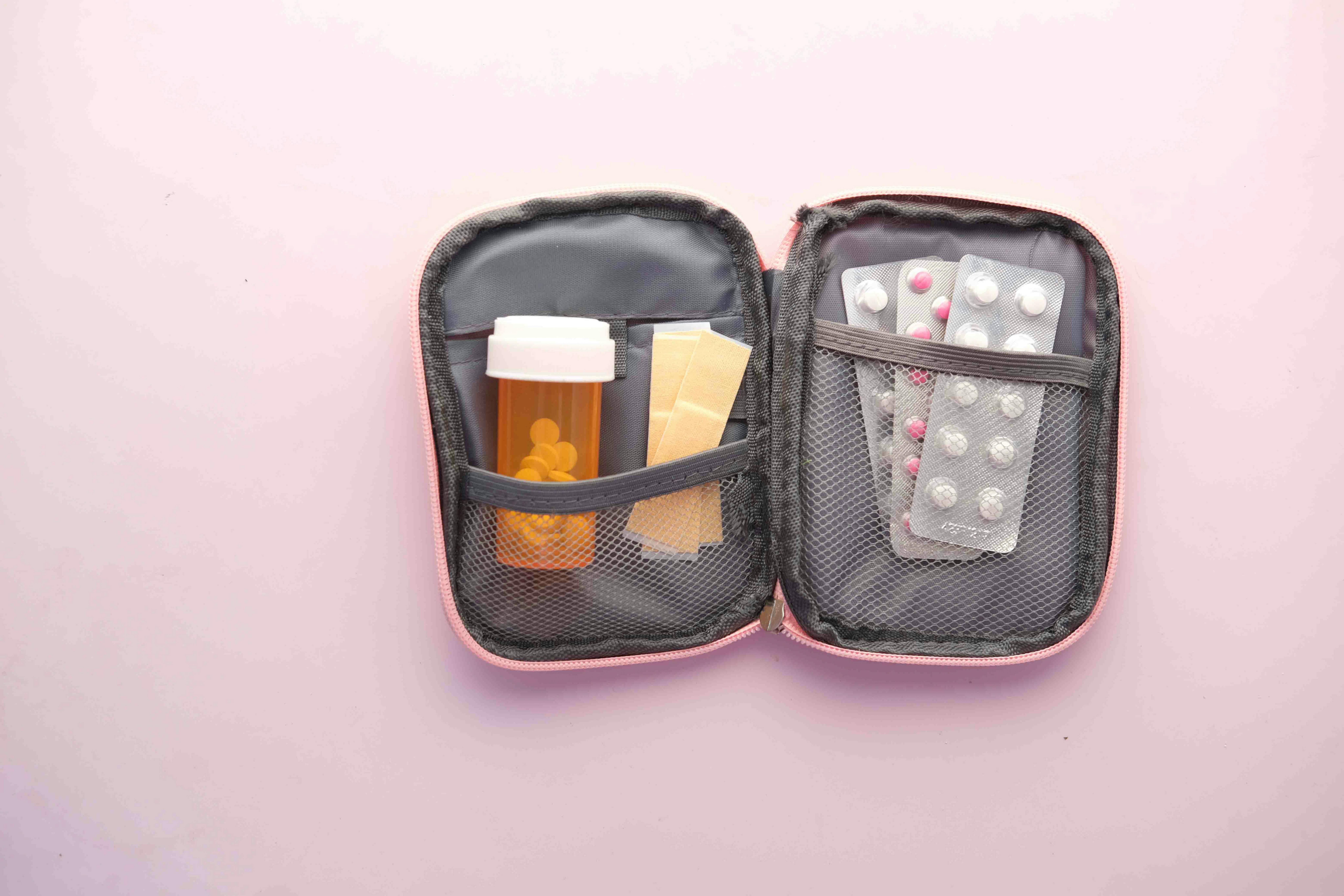
Use a first aid kit checklist for home and car supplies, plus tips for keeping items organized and up to date.
Read More →
Learn common health insurance terms in plain English, including premiums, deductibles, copays, networks, and claims.
Read More →
Build a simple healthy grocery list with flexible staples for balanced meals, snacks, and busy weeknights.
Read More →
Spot heat exhaustion symptoms, compare heat exhaustion vs heat stroke, follow cooling steps, and know when to call 911.
Read More →
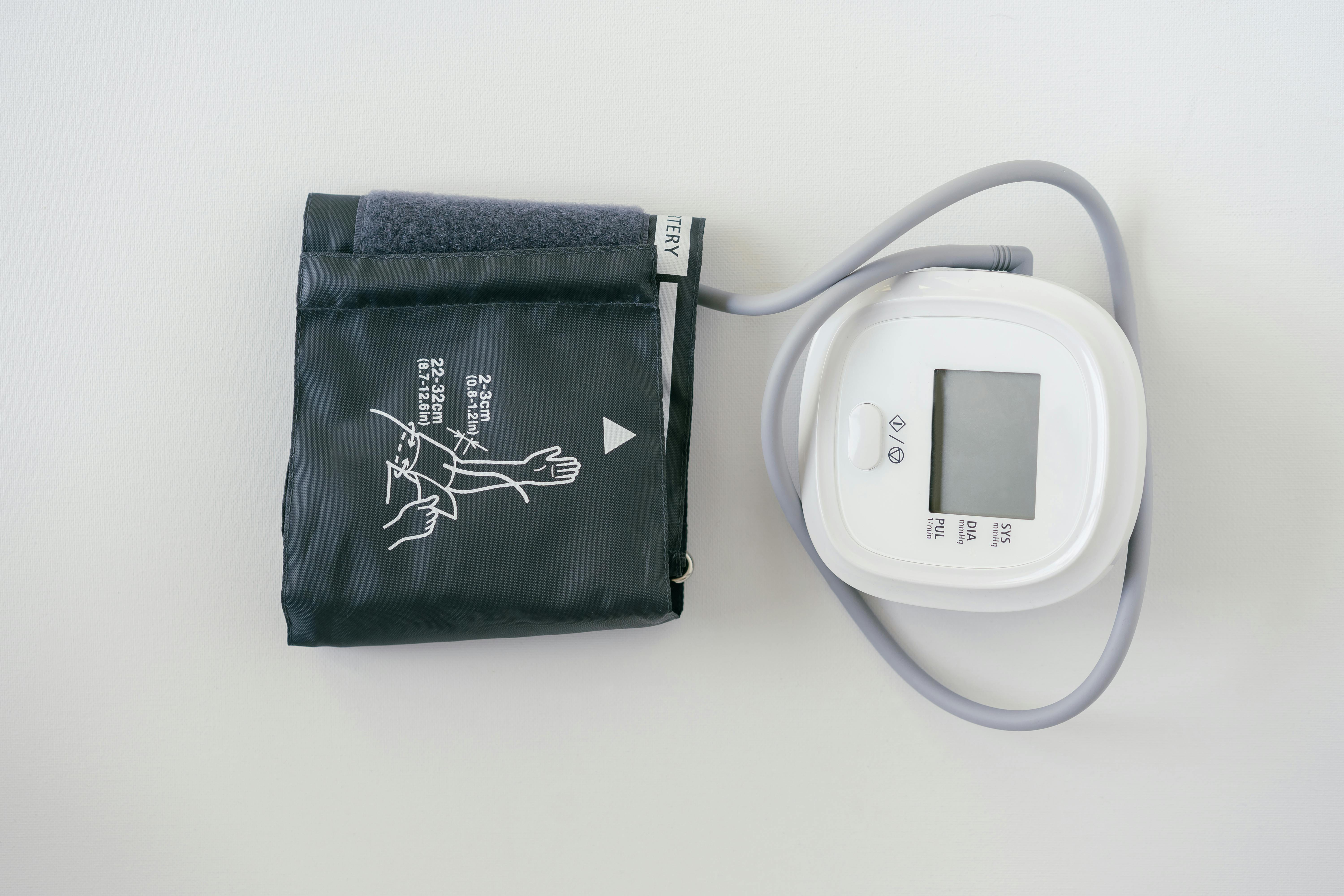
Choose a home blood pressure monitor with the right cuff size, validation, memory features, and usability details for more reliable daily readings.
Read More →
Create a self-care routine that is realistic, low-pressure, and easier to repeat when life gets busy.
Read More →
Build a home emergency kit with water, food, medications, documents, lights, chargers, and practical safety supplies.
Read More →
Choose a primary care doctor by comparing access, communication style, insurance fit, location, and care needs.
Read More →
Use a 7-day sleep schedule reset with light timing, wake-time anchors, and practical tips for jet lag and shift work.
Read More →
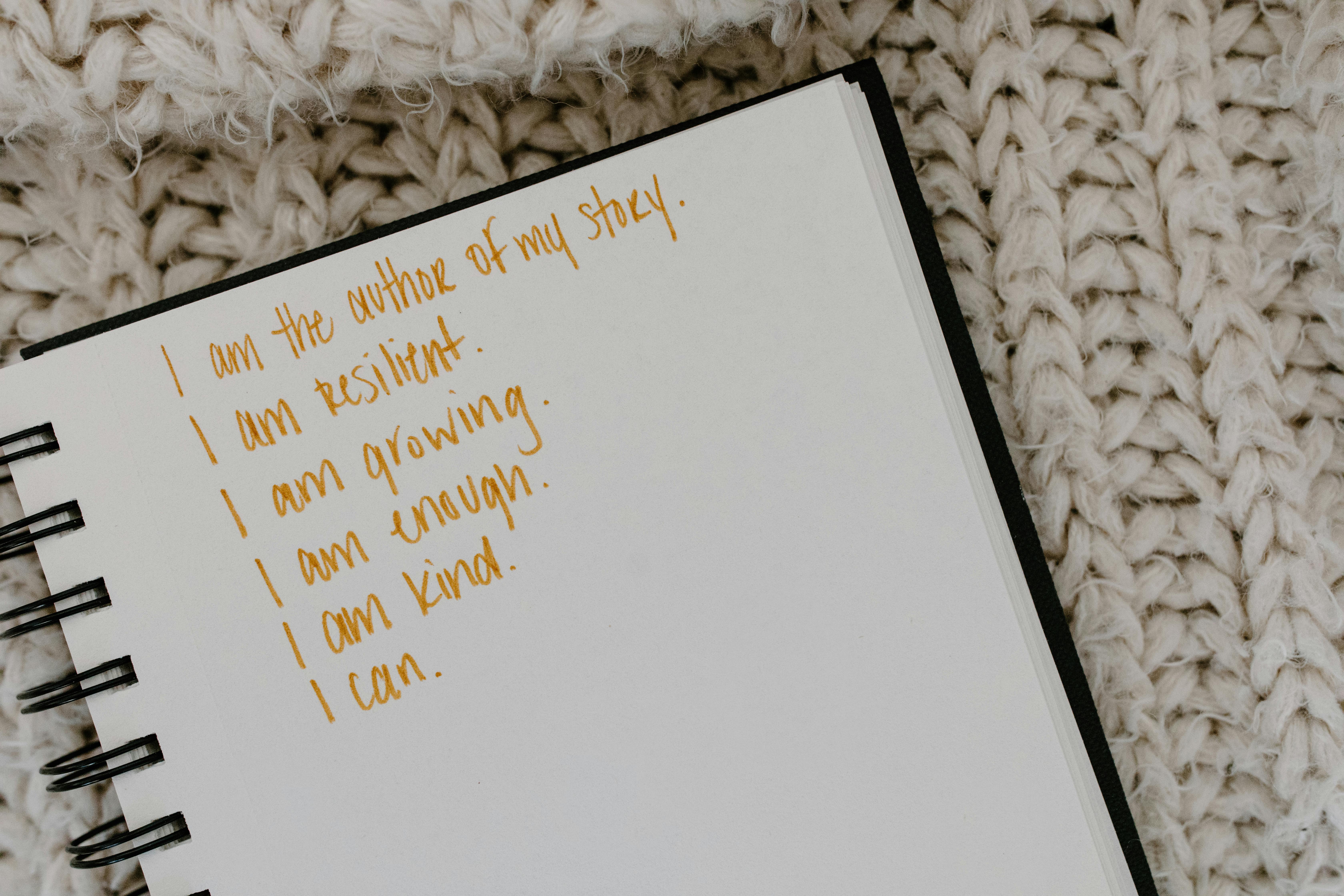
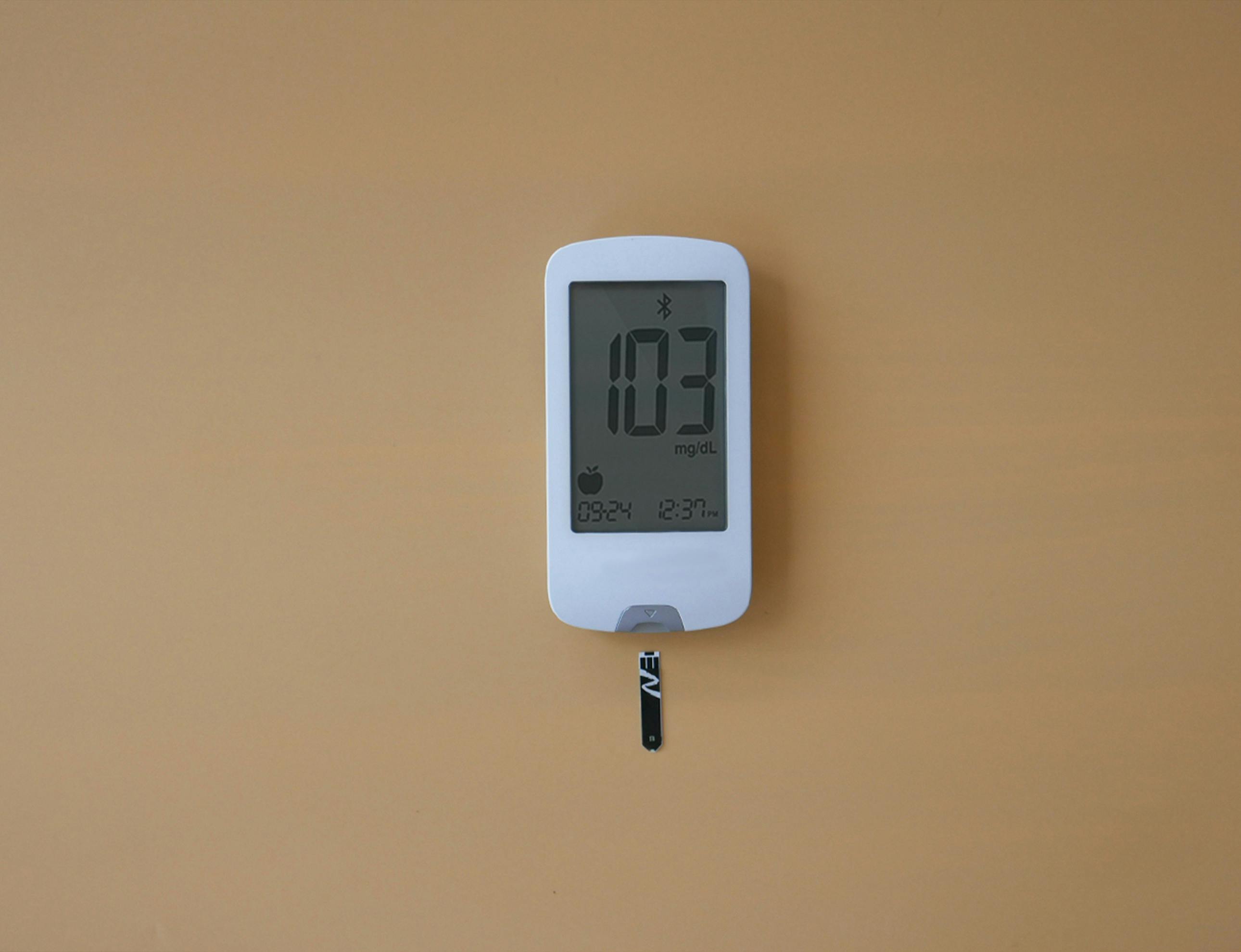
Understand glucometer readings, blood sugar ranges, common testing errors, and when to share results with your care team.
Read More →

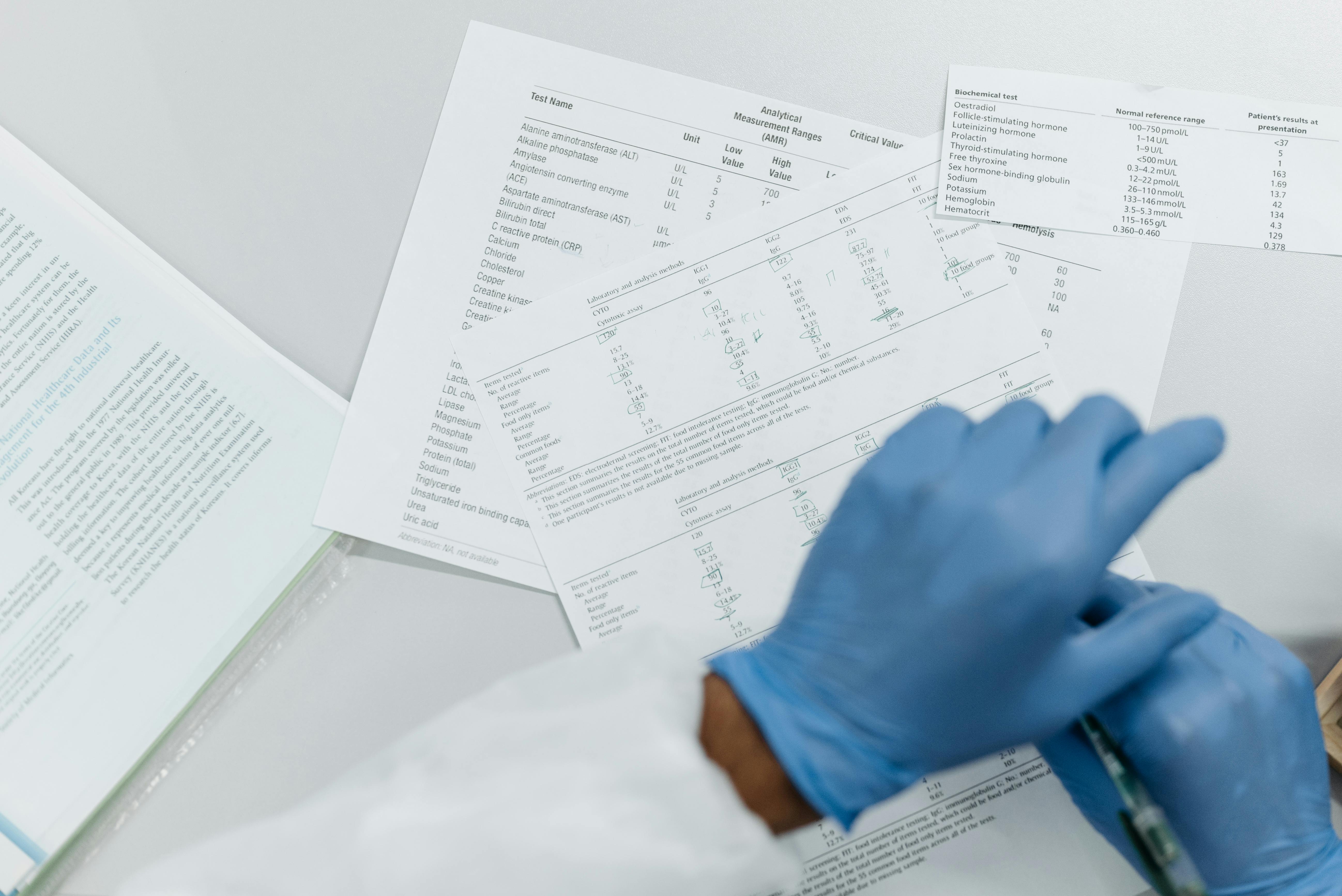
Learn how to read common blood work results, reference ranges, abnormal flags, and questions to ask your clinician.
Read More →
Start walking for exercise with a beginner plan that builds consistency, comfort, and confidence over time.
Read More →

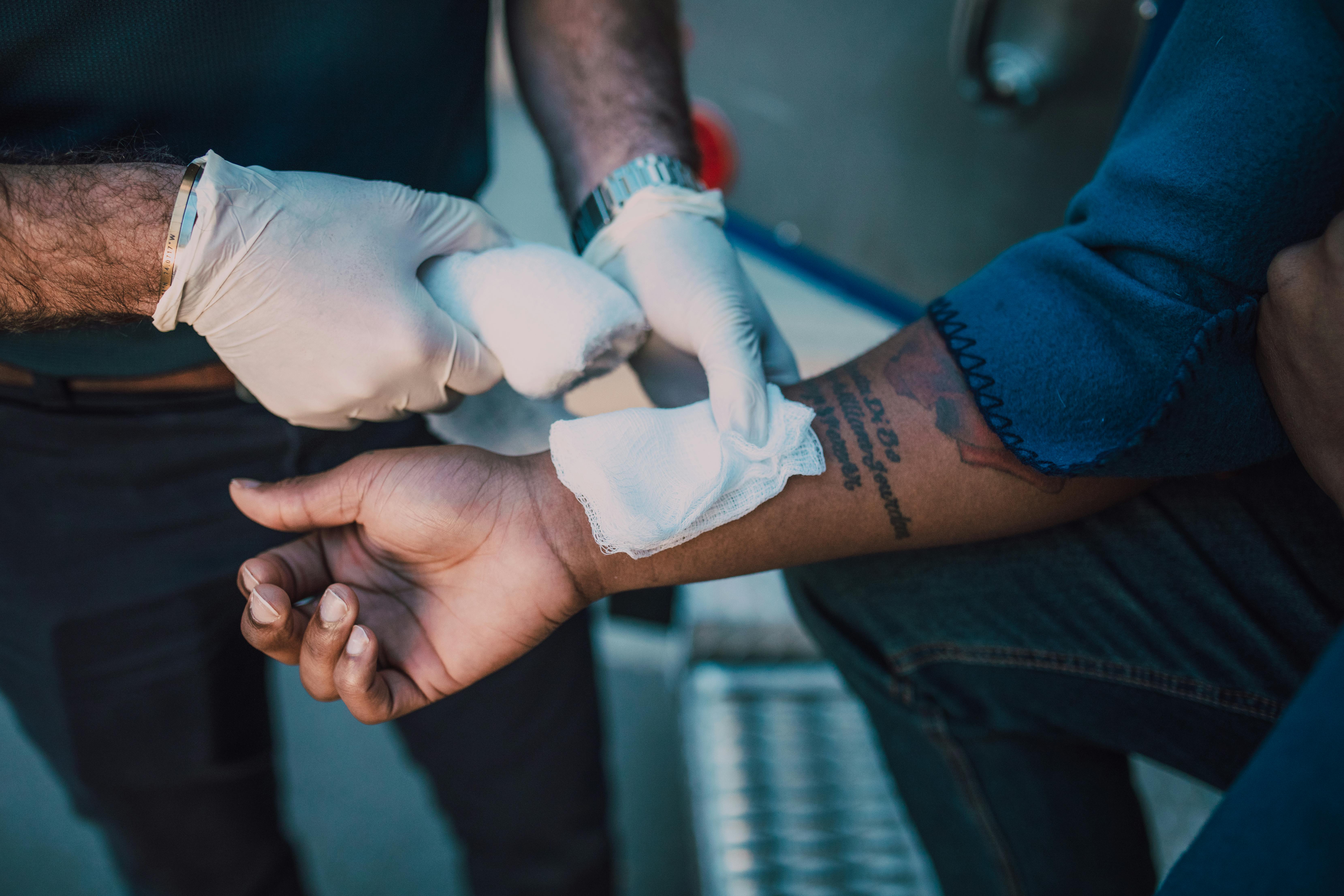
Learn first aid steps to stop bleeding, apply pressure, use dressings, and recognize when bleeding is an emergency.
Read More →
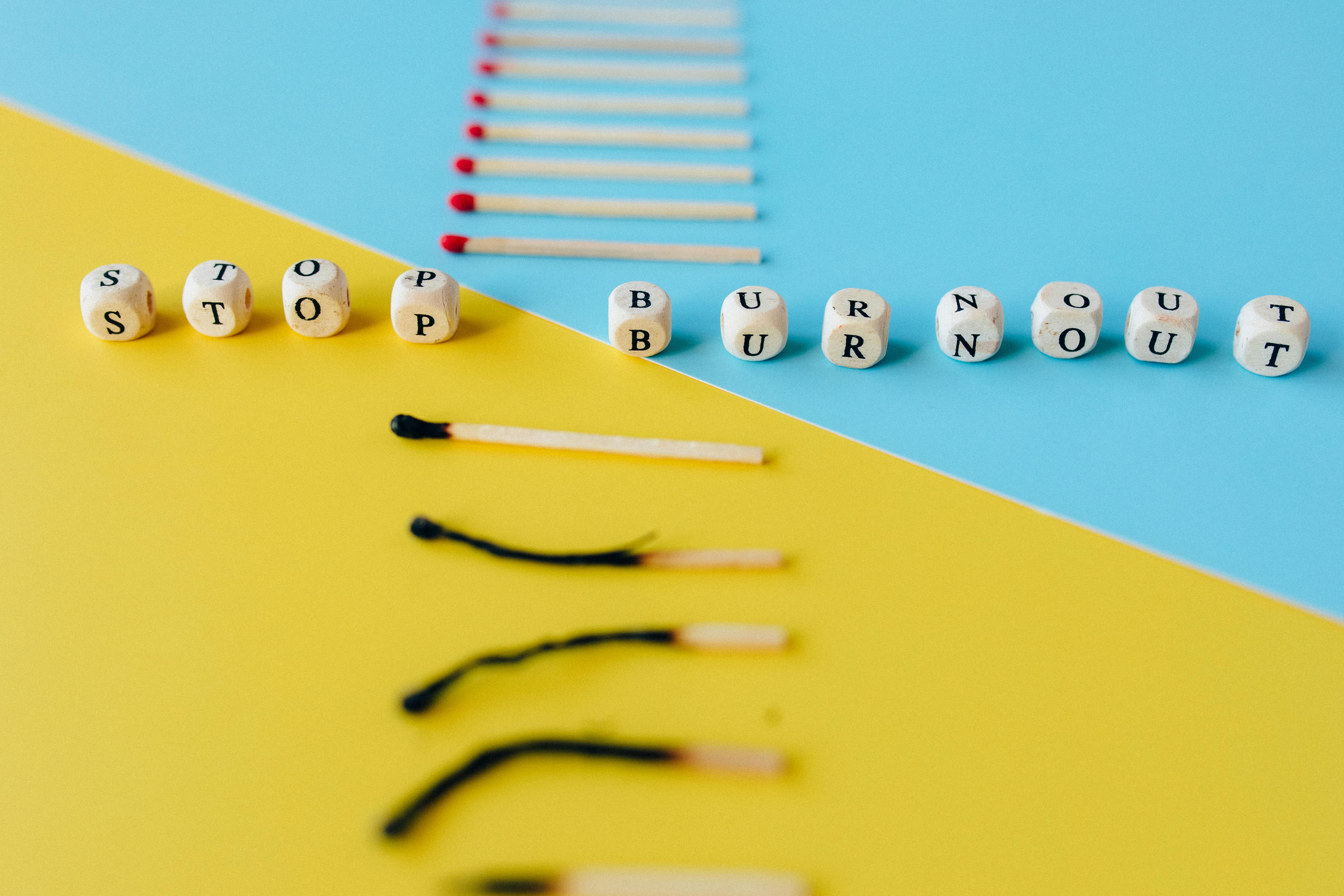
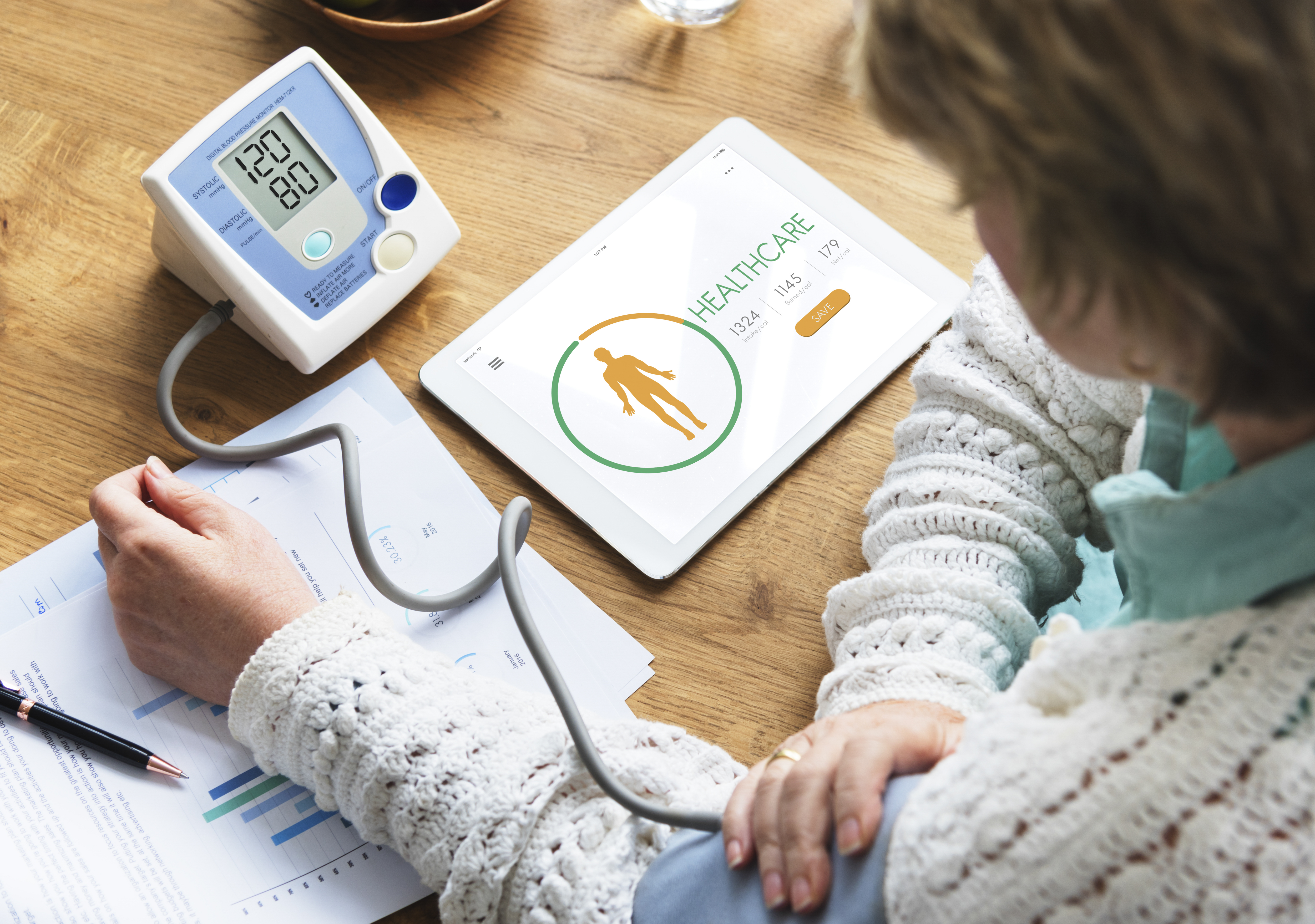
Take blood pressure at home with better posture, cuff placement, timing, and a log your clinician can use.
Read More →

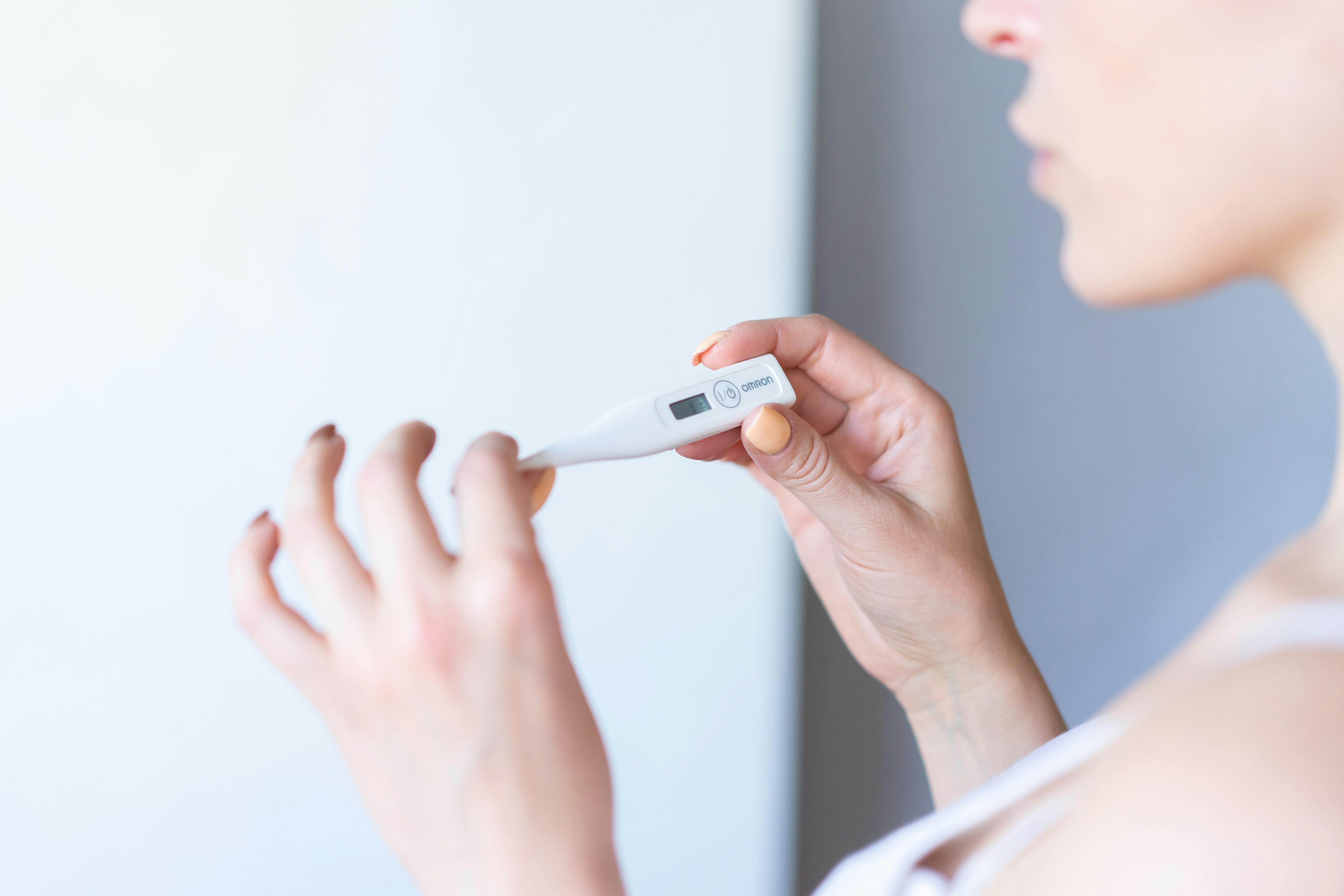
Follow step-by-step thermometer technique, choose the right method by age and situation, and avoid false fever readings.
Read More →

Prepare for better doctor visits with symptom notes, medication lists, clear questions, and follow-up steps.
Read More →

Treat minor burns at home with cooling, clean dressings, pain relief basics, and red flags that need medical care.
Read More →
Use a pulse oximeter correctly by improving finger placement, timing, and interpretation of readings.
Read More →
Recognize hypothermia symptoms, warm someone safely, and know when cold exposure needs emergency help.
Read More →
Stop most nosebleeds with correct positioning and pressure, and learn when bleeding needs urgent care.
Read More →
Use a preventive care checklist to track screenings, vaccines, routine visits, and questions for your clinician.
Read More →

Recognize panic attack symptoms, calm your body during an episode, and know when symptoms need medical evaluation.
Read More →

Spot dehydration signs, rehydrate safely, and know when symptoms like confusion or dizziness require urgent help.
Read More →
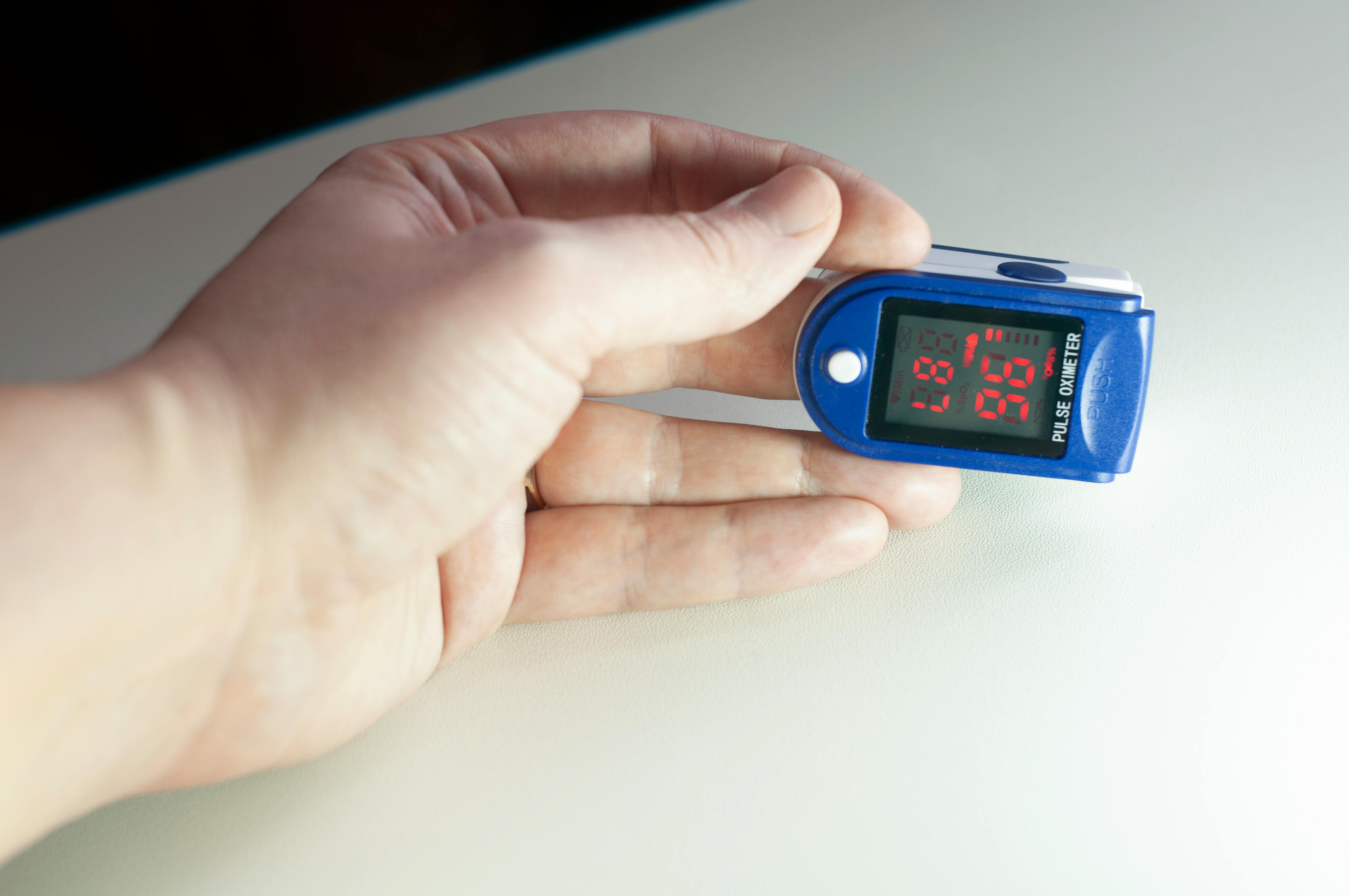
Build a better nighttime routine with practical sleep hygiene habits, light cues, caffeine timing, and wind-down steps.
Read More →

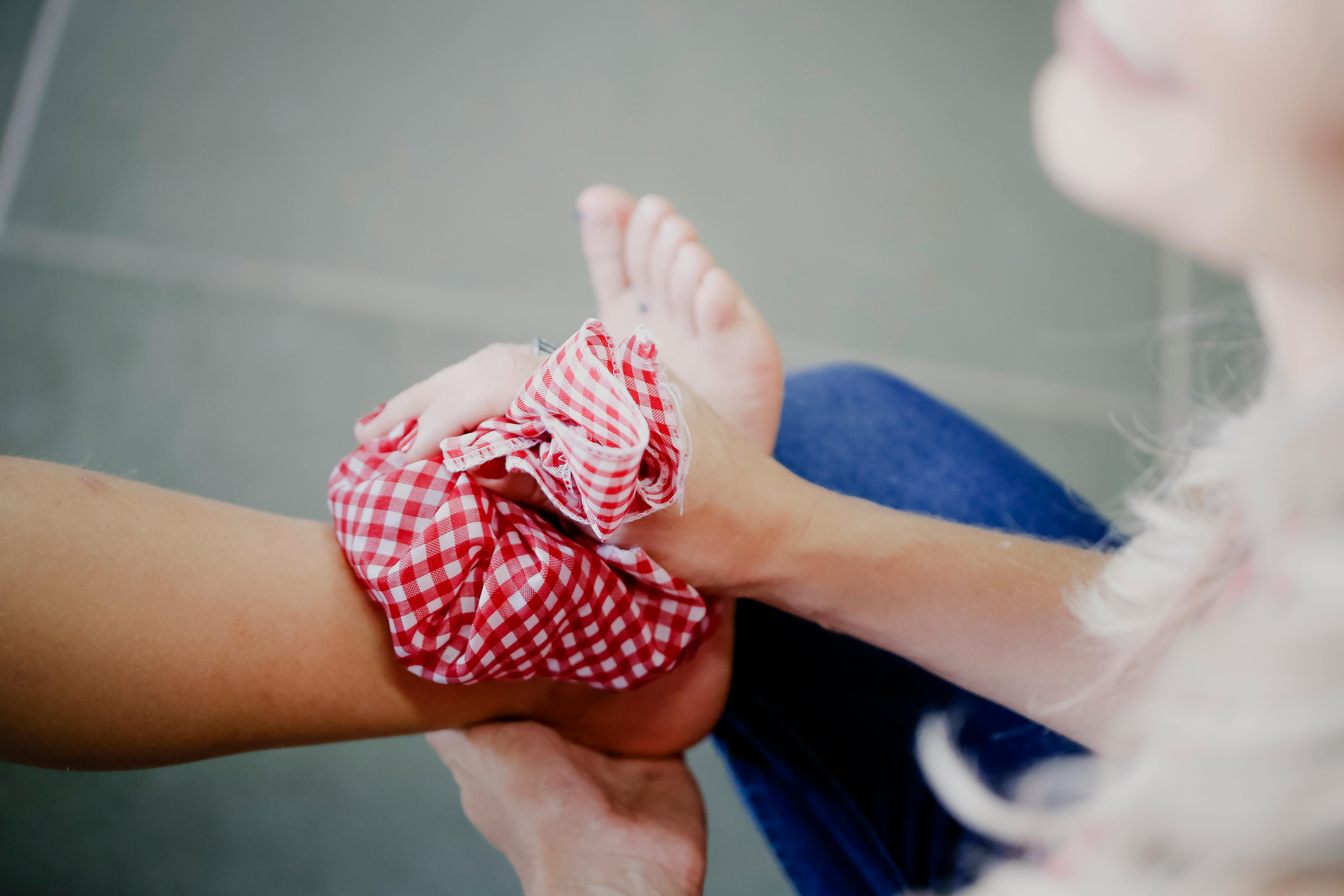
Use the POLICE method for a sprained ankle, compare grades 1 and 2, manage pain safely, and know when an X-ray may be needed.
Read More →

Prepare for a telehealth visit with better notes, tech checks, medication lists, and follow-up questions.
Read More →
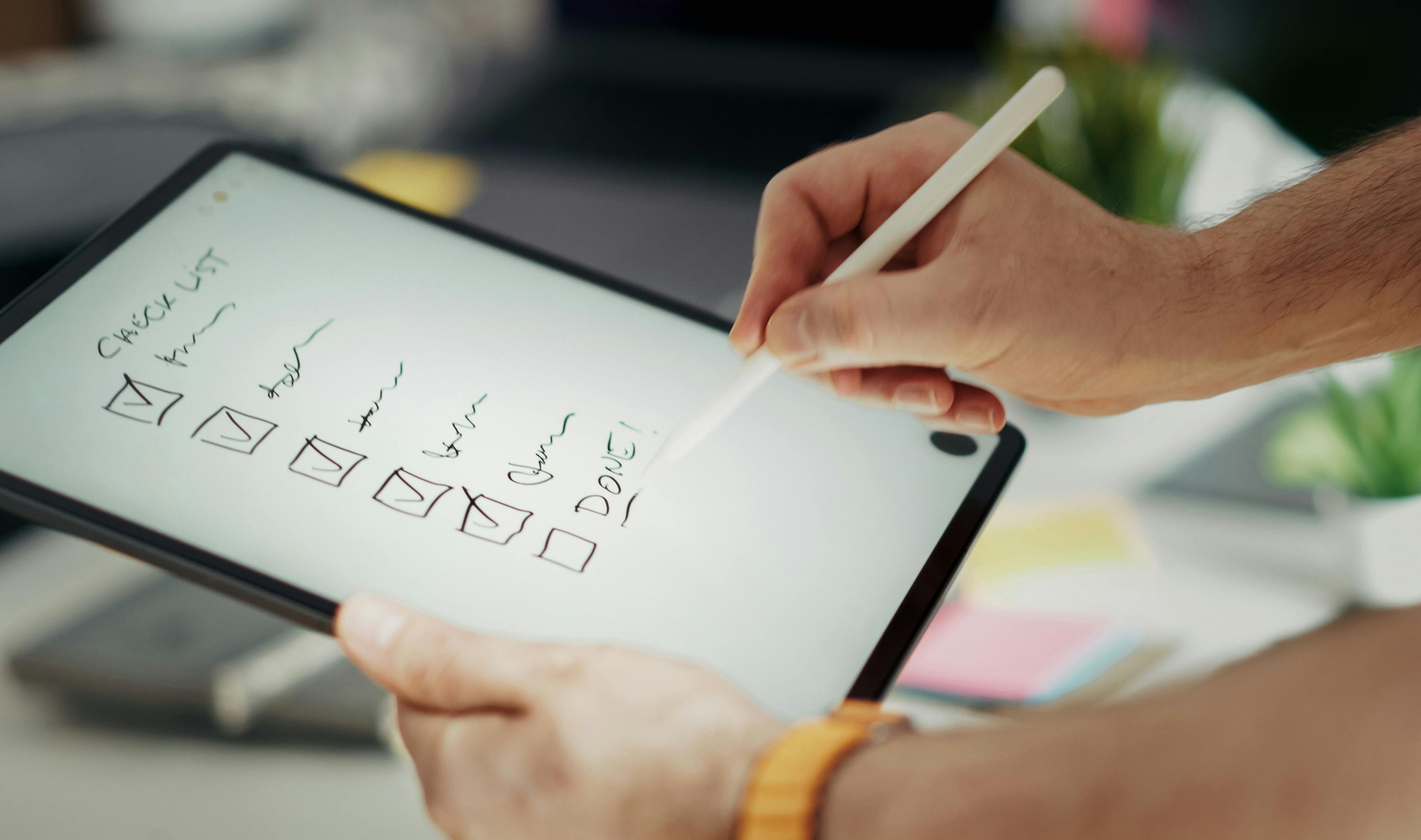
Compare urgent care and ER visits by symptoms, severity, cost, and when delaying emergency care is unsafe.
Read More →

Use a doctor appointment checklist for medications, symptoms, questions, records, and follow-up notes.
Read More →

Choose between urgent care and the ER by comparing symptoms, severity, cost, and when emergency care cannot wait.
Read More →