Best Earplugs for Sleeping: 5 Practical Picks (2026)
Affiliate disclosure: As an Amazon Associate I earn from qualifying purchases. MedHelperPro may earn a commission from eligible purchases made through links in this guide, at no extra cost to you. Affiliate availability does not affect our selections. Read the full disclosure.
Research note: Product selections are based on published specifications, policies, and independent evidence unless a guide explicitly describes hands-on testing.
Verified exact listing: The marketplace listing below was checked as Mack's Pillow Soft Silicone Earplugs, 12 Pair, the white item 712 identified by the manufacturer. Confirm the title, 12-pair count, seller, stock, and return terms before ordering.
Choose fit and profile before the biggest noise number.
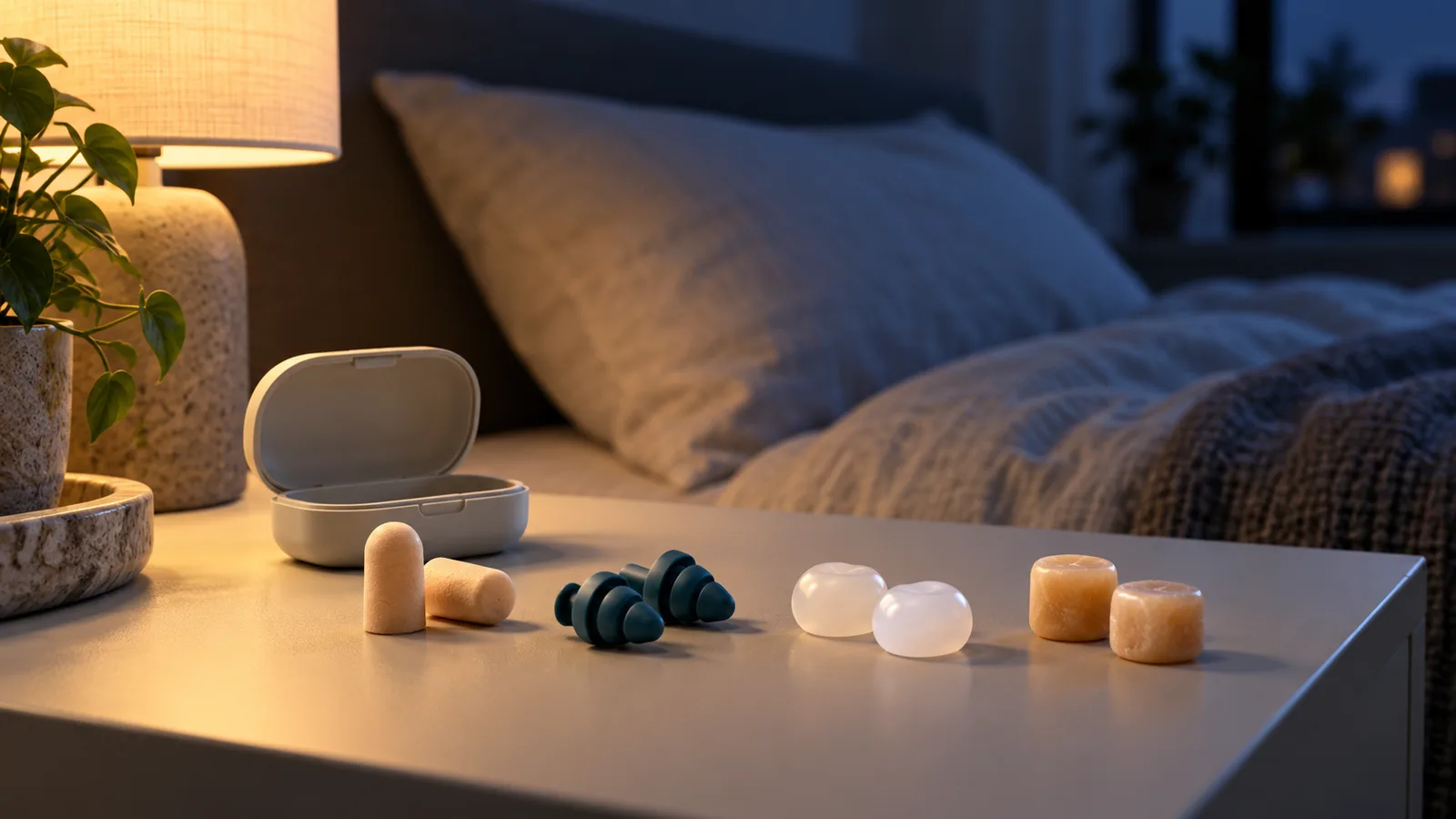
Loop Dream is the premium low-profile pick for side sleepers, while Alpine SleepDeep is the reusable value. Mack's Ultra Soft is the disposable foam choice, Mack's Pillow Soft provides a moldable on-ear seal, and OHROPAX Classic is the wax option. No plug blocks every sound, and a package rating cannot predict your fit.
THE RATING
Sleep earplugs are simple products with unusually personal results. Ear shape, insertion, pillow pressure, and the frequency of the noise all change what reaches you. They can reduce a partner's snoring or street noise, but they cannot create silence. If you need to hear an alarm, child, doorbell, or overnight alert, that audibility requirement comes before maximum attenuation. For sound masking instead of an in-ear seal, compare white noise machines.
Quick decision summary
- Best overall for side sleepers: Loop Dream, with a soft low-profile body, four sizes, two tip styles, 27 dB SNR, washable construction, a 100-day return window, and a 2-year warranty.
- Best reusable value: Alpine SleepDeep, an oval reusable plug with small, medium, large, and multisize options, a maker-stated 27 dB attenuation figure, and a 100-day guarantee.
- Best disposable foam: Mack's Ultra Soft, a polyurethane foam plug with a 33 dB NRR and broad pack-size choice. Correct roll-down insertion is essential.
- Best moldable silicone: Mack's Pillow Soft, which seals over the ear opening instead of expanding in the canal. Its 22 dB NRR is lower than the foam pick, but the fit method is different.
- Best wax option: OHROPAX Classic, a single-use wax and cotton plug that covers the ear opening and carries a 21 dB SNR.
How we chose these sleep earplugs
Product pages, instructions, prices, materials, noise labels, reuse guidance, returns, and warranties were checked October 30, 2026. We prioritized a shallow or on-ear profile, more than one fit path, clear care, and realistic ownership cost. Amazon availability did not affect rank.
The ratings require context. Mack's publishes US Noise Reduction Ratings, or NRR, while the European products publish Single Number Ratings, or SNR. These standards use different procedures, so 33 dB NRR and 27 dB SNR are not a clean head-to-head score. CDC/NIOSH says a package NRR often does not reflect the protection an individual actually receives and identifies fit testing as the best check in occupational use. That workplace guidance supports a simple consumer lesson: fit and consistent use matter more than a one-number ranking.
Independent method checks included Good Housekeeping's instrumented and panel testing, which evaluated insertion, comfort, and noise change, and Sleep Foundation's current comfort-focused comparison. These sources informed the criteria. Manufacturer documentation remains the source for each product's specifications and ownership terms. No company paid for placement.
Sleep earplug comparison
| Earplug | Material and fit | Maker rating | Checked direct price | Reuse and ownership | Skip it if |
|---|---|---|---|---|---|
| Loop Dream | Low-profile silicone; four sizes and two tip styles | 27 dB SNR | $49.95 | Washable; 100-day returns; 2-year warranty | You want a low initial cost or the highest printed rating |
| Alpine SleepDeep | Oval reusable plug; small, medium, large, or multisize | 27 dB maker attenuation figure | $19.95 | Reusable; 100-day guarantee | You prefer a moldable on-ear seal or disposable plug |
| Mack's Ultra Soft | Roll-down polyurethane foam | 33 dB NRR | $2.99 to $49.99 by count | Discard after several uses or when soiled | Foam pressure or deep insertion bothers you |
| Mack's Pillow Soft | Moldable silicone putty worn over the opening | 22 dB NRR | $12.99 for verified 12-pair listing | Up to five uses per plug under maker guidance | You want a washable long-life pair |
| OHROPAX Classic | Wax, paraffin, and cotton; on-ear seal | 21 dB SNR | Varies by US importer | Single-use; not washable | You want easy US replacement or reusable construction |
Prices are snapshots, not promises. Pack count, shipping, taxes, marketplace seller, and import costs can change the useful per-night cost. Compare the exact variant and written return terms in the cart.
Which sleep earplug fits each buyer?
1. Loop Dream: best overall for side sleepers
Loop Dream is built around a soft, low-profile silicone body meant to reduce hard edges against a pillow. The current set includes four sizes from XS through L and two tip styles, so the useful feature is not simply the 27 dB SNR label. It is the ability to change both size and tip construction before giving up on the fit.
Dream is washable and reusable. The direct price was $49.95, so its value depends on regular use. Loop's 100-day policy allows used returns, while its limited warranty covers manufacturing defects for two years. Save the US order terms.
A $50 pair is hard to justify if plugs get lost or use is occasional. The rating also does not prove Dream will reduce a specific snore more than well-fitted foam.
Best for: a side sleeper who expects nightly use and wants several ways to adjust a low-profile reusable fit. Skip it if: you want a disposable option, frequently misplace small accessories, or need to keep the first purchase near $20.
2. Alpine SleepDeep: best reusable value
Alpine SleepDeep uses an oval body intended to follow the shape of the canal and sit with less projection during side sleep. The maker offers small, medium, large, and multisize choices. Buying the multisize pack first is sensible when there is no reliable basis for choosing a size.
The page showed $19.95, a 27 dB attenuation figure, and a 100-day guarantee. The plugs are reusable. Treat the figure as a lab label and check whether the seal stays stable when your head turns.
SleepDeep costs less than half the Loop set, but it offers fewer fit variables. Someone who dislikes its oval profile cannot switch to an entirely different tip style in the same package. The translucent stem can also be harder to find on dark bedding than brightly colored foam.
Best for: a budget-conscious buyer who wants a washable sleep-specific design and a meaningful return window. Skip it if: you prefer a moldable seal over the ear opening or want multiple tip constructions in one set.
3. Mack's Ultra Soft: best disposable foam
Mack's Ultra Soft is a tapered polyurethane foam plug with a 33 dB NRR. The official range was $2.99 to $49.99 across pack counts from three pairs to 100 pairs. A small pack is the lowest-risk way to learn whether the diameter, expansion pressure, and insertion routine suit you.
Foam performance depends heavily on technique. The maker instructs users to roll each plug into a tight crease-free cylinder, straighten the ear canal, insert promptly, and hold it while it expands. Mack's says to discard the plugs after several uses or when dirt or wax accumulates and says not to wash them. That makes recurring cost and bedside hygiene part of the decision.
The 33 dB label is the highest on this list, but it does not make Ultra Soft the automatic winner. A shallow insertion leaks sound; an oversized plug can feel distracting; and a foam end that projects may catch a pillow. Buy the smallest available pack before a jar.
Best for: a value shopper comfortable with roll-down foam who wants a high US lab rating and easy replacement. Skip it if: canal pressure, repeated insertion, or disposable waste outweighs the low upfront cost.
4. Mack's Pillow Soft: best moldable silicone
Mack's Pillow Soft changes the fitting problem. Instead of pushing a plug into the canal, the user forms the silicone putty into a ball and presses it over the ear opening, following the package instructions. The resulting on-ear seal can suit people who do not want expanding foam inside the canal.
The maker lists a 22 dB NRR and says each plug may last up to five uses before replacement, subject to condition. The exact Amazon listing verified for this guide was the white 12-pair item 712, ASIN B07G1MWHNR, at $12.99 and in stock when checked. That listing appears before the article because marketplace availability did not determine the product's position.
Moldable does not mean washable or permanent. Oils, lint, and repeated shaping limit useful life. Instructions also matter: a silicone putty plug is worn over the opening and should not be formed into a narrow plug for deep insertion. The lower NRR may be enough for moderate bedroom noise, but it is not a guarantee against loud or low-frequency snoring.
Best for: someone who wants a soft on-ear seal and a low-cost alternative to in-canal foam. Skip it if: you want a washable pair, dislike handling putty, or need the highest labeled attenuation.
5. OHROPAX Classic: best wax option
OHROPAX Classic combines waxes, paraffin, and cotton wool. The user removes the cotton covering, warms the wax, forms it, and seals it over the ear opening. The current technical data identifies a 21 dB SNR and conformity with EN 352-2:2020 under the European personal protective equipment regulation.
Classic is single-use, cannot be cleaned, and may come through an importer. The whole plug is used for each ear, so a 12-piece box provides six nights when used as directed.
The on-ear design avoids an expanding foam body in the canal, but wax responds to warmth and handling. It is a poor match for someone who wants to wash and store one pair or buy the same box easily from a US retailer every month.
Best for: a person who specifically prefers a soft wax seal and accepts single-use replacement. Skip it if: you want reusable construction, predictable US pricing, or a product that requires minimal preparation.
How to choose between foam, silicone, and wax
Start with the contact point
Roll-down foam and preformed reusable plugs sit in the canal. Moldable silicone and wax cover the opening. Side sleepers should pay attention to anything that projects beyond the outer ear because the pillow can shift it or create a pressure point. A contoured pillow is not required, but pillow loft and firmness can change the result. Our pillow fit guide explains why height and compression matter more than a generic sleeper label.
Do not compare NRR and SNR as the same score
NRR and SNR summarize standardized laboratory tests from different systems. Neither number says how much a particular snore, siren, voice, or bass note will change for you. A stable seal throughout the night is more useful than a higher label on a plug that loosens when you turn. For workplace, shooting, motorsport, or power-tool exposure, use hearing protection selected for that setting rather than a sleep ranking.
Price the replacement cycle
A reusable pair costs more at checkout but can be cheaper over months if it stays clean, intact, and easy to find. Foam, putty, and wax create a lower-cost trial but require steady replacement. Divide the pack price by realistic nights of use, not the most optimistic claim. A large jar is only a bargain after the exact plug has proved comfortable.
Check the parts you still need to hear
Maximum reduction can conflict with an alarm or caregiving responsibility. Test essential alerts at the actual bedside volume and distance before relying on earplugs overnight. A vibrating alarm or visual alert may solve a different problem, but compatibility should be planned before purchase. If light is also disrupting sleep, our blackout curtain guide covers edge gaps and installation rather than adding more in-ear attenuation.
Simple fit and ownership checklist
- Start with the smallest practical pack or a multisize set.
- Follow the exact insertion or molding instructions. Foam, preformed silicone, silicone putty, and wax are not fitted the same way.
- Lie on each side for several minutes while the return period is open. Check whether the seal shifts or the pillow presses the outer ear.
- Confirm that required alarms and household alerts remain usable.
- Clean only products the manufacturer identifies as washable. Replace disposable material when the instructions say to do so.
- Store small plugs and cases where children and pets cannot reach them.
Frequently asked questions
Can earplugs completely block snoring?
No. Earplugs reduce sound rather than create silence. Fit, frequency, distance, and pillow contact change the result. Low-frequency sound can remain noticeable.
Are foam earplugs better than silicone for sleep?
Not for everyone. Roll-down foam can carry a high NRR at a low price, but insertion and expansion pressure are tradeoffs. Preformed reusable silicone offers repeatable handling. Moldable silicone seals over the opening and may suit someone who dislikes in-canal foam. The best material is the one that stays sealed and comfortable enough for consistent use.
Is a higher NRR always better?
No. NRR is a US laboratory label, not a personal bedroom result. A poorly fitted 33 dB NRR plug can deliver less useful reduction than a lower-rated plug that seals correctly and stays in place. SNR values should not be ranked directly against NRR values.
Can side sleepers wear earplugs?
Yes, but profile matters. Look for a soft body that does not extend far beyond the outer ear, then test it against the actual pillow. An on-ear putty or wax plug avoids a hard protruding stem but has its own shaping and replacement routine.
How often should sleep earplugs be replaced?
Follow the product instructions. Mack's says to discard Ultra Soft foam after several uses or when soiled, Pillow Soft may be used up to five times, and OHROPAX Classic is single-use. Washable reusable products last longer, but tips should be replaced if they no longer fit, seal, or clean as intended.
Limitations of this guide
This is a researched guide, not a hands-on earplug test. We did not possess the products, measure insertion loss, record a snoring track, use a calibrated acoustic fixture, sleep in them, or compare long-term material wear. We therefore do not publish a decibel winner, comfort score, or claim that one plug will block a particular person's snoring.
Prices, pack counts, stock, and policies can change after October 30, 2026. Earplug fit is individual, and NRR and SNR are not interchangeable rankings. Exact Amazon listings for Loop Dream, Alpine SleepDeep, Mack's Ultra Soft, and OHROPAX Classic were omitted because a current exact model and variant were not verified to the same standard as the Mack's Pillow Soft 12-pair listing.
Sources
- Loop: Dream materials, sizes, tip options, SNR, price, reuse, and return period
- Loop: 2-year limited warranty terms and exclusions
- Loop: 100-day used-product return terms
- Alpine: SleepDeep design, sizes, attenuation figure, price, reuse, and guarantee
- Mack's: Ultra Soft material, NRR, pack counts, price range, fitting, and replacement instructions
- Mack's: Pillow Soft material, NRR, item 712, fit method, and reuse guidance
- OHROPAX: Classic material, fit method, count, and SNR
- OHROPAX: current Classic technical data, standard, single-use status, and care limits
- CDC/NIOSH: hearing protector types, fit, and limits of package NRR
- CDC/NIOSH: 2025 individual fit-testing recommendation and laboratory-rating context
- Good Housekeeping: independent sleep earplug test method and results
- Sleep Foundation: current comfort-focused sleep earplug comparison
Before you buy
- Choose a small pack or multisize set before buying in bulk.
- Match the material to the contact point you prefer: in-canal or over the opening.
- Treat NRR and SNR as lab labels, not personal bedroom guarantees.
- Test side-sleeping pressure and essential alarm audibility during the return period.
- Save fitting, cleaning, replacement, return, and warranty instructions.