How to Store Medicine Safely at Home: A Practical Guide
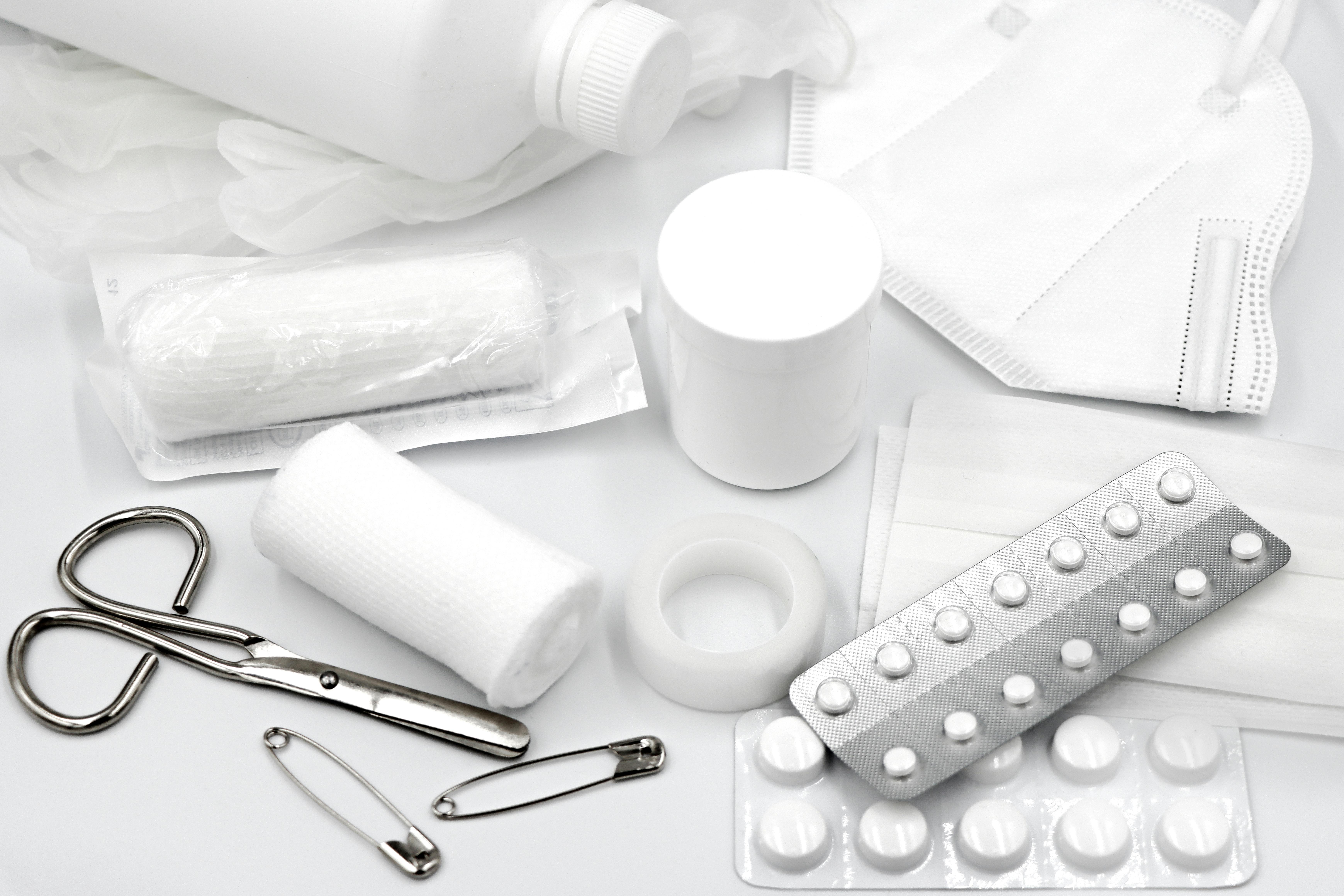
Medical disclaimer: This article is for general health education only. It does not diagnose, treat, or replace care from a qualified healthcare professional. Follow the storage instructions on your medicine label and ask your pharmacist or clinician before changing how you store, use, or discard a medicine.
Most homes have a medicine problem hiding in plain sight: old prescriptions in a bathroom cabinet, cough syrup with a sticky cap, vitamins near a warm stove, or a pill organizer with no labels nearby. It is easy to overlook because everything looks normal. The risk is that medicine can lose effectiveness, become confusing to identify, or end up in the hands of a child, visitor, or pet.
The FDA says medication storage affects whether medicines remain safe and effective up to their expiration date, and improper storage can reduce effectiveness even before that date. This guide walks through a simple home system: where to store medicine, what to keep locked up, how to handle expired products, and how to dispose of medicine without guessing.
Key takeaways
- Most medicines do better in a cool, dry place away from heat, humidity, sinks, and hot appliances, unless the label says otherwise.
- The FDA says expired medicine should not be used because safety and effectiveness are no longer guaranteed after the expiration date.
- Medicine should be stored up, away, and out of sight of children. The FDA cites CDC data estimating 36,564 emergency department visits in 2020 among children age 5 and under for unsupervised medication exposures.
- Drug take-back locations and mail-back envelopes are usually preferred for disposal. Only flush medicines that appear on the FDA flush list.
Where should you store medicine at home?
The safest everyday spot is usually a cool, dry, secure place that children and visitors cannot access. The FDA says many medicines are better kept on a closet shelf, in a dresser drawer, in a storage box, or in a kitchen cabinet away from the sink and hot appliances.
That means the classic bathroom medicine cabinet is often not ideal. Bathrooms can get warm and humid after showers. Kitchens can also be tricky if the cabinet is above a stove, next to a dishwasher, or close to a sink.
Start by reading the label. Some medicines need refrigeration. Some should not be exposed to high temperatures. Some come with extra instructions from the pharmacist. If the label gives specific directions, follow those directions first.
| Storage spot | Usually better or worse? | Why it matters |
|---|---|---|
| Bedroom dresser drawer | Often better | Usually dry, away from steam, and easy to keep private. |
| Closet shelf in a storage box | Often better | Good for keeping medicine together, labeled, and away from heat. |
| Bathroom cabinet | Often worse | Heat and humidity can affect some medicines. |
| Kitchen cabinet near stove or sink | Often worse | Heat, steam, and changing humidity may be a problem. |
| Locked box or high cabinet | Best for riskier medicines | Helps prevent accidental exposure, misuse, and confusion. |
What should stay locked up?
Any medicine that could harm someone if taken by mistake deserves stronger storage. That includes opioids, sedatives, stimulant medicines, blood thinners, diabetes medicines, heart medicines, prescription pain medicine, and any medicine that belongs to only one person in the home.
A child-resistant cap helps, but it is not the same as childproof storage. Visitors also matter. Grandchildren, babysitters, house guests, and repair workers may be in rooms where medicine is usually left out. A locked box is a simple fix for high-risk medicines.
Do not leave medicine loose in bags, nightstands, purses, coat pockets, or car consoles. Those places are easy to forget and easy for someone else to reach. If you use a weekly pill organizer, keep the original labeled bottles nearby in a secure place so you can confirm names, doses, and expiration dates.
Should medicine stay in the original container?
Keep medicine in the original labeled container whenever you can. The label tells you the medicine name, strength, instructions, prescriber, pharmacy, expiration date, refill information, and warnings. That information is hard to recreate from memory.
Pill organizers are useful for routine doses, especially when the schedule is complicated. They just need a backup system. Keep the original bottles until the medicine is finished, and make sure the organizer is stored securely if children or visitors are in the home.
If you move medicine into a travel case, write down the medication name, strength, dose, and prescribing clinician. For longer trips, take photos of the prescription labels before packing. If luggage gets lost or a refill is needed, those photos can save time.
How often should you check expiration dates?
A quick medicine check every three to six months is enough for most homes. The FDA requires expiration dates on prescription and over the counter medicines, and it says expired medicines can be less effective or risky because chemical composition or strength may change.
Pick an easy reminder: the first day of each season, daylight saving time changes, or the month you check smoke detector batteries. Pull everything into one place and sort it into three groups: current, expired, and unsure.
Do not use medicine just because it looks unchanged. Tablets, capsules, creams, drops, and liquids can look normal even when the expiration date has passed. For antibiotics, eye drops, insulin, nitroglycerin, seizure medicines, heart medicines, and emergency medicines, do not improvise. Ask a pharmacist or clinician if you are unsure.
What should you do with old or unused medicine?
The FDA says drug take-back locations or prepaid mail-back envelopes are preferred for expired, unwanted, or unused medicine. DEA take-back programs give people a safe way to remove old prescription drugs from the home without leaving them in ordinary trash.
Start with the label. Some products include specific disposal instructions. If there is no label instruction, look for a drug take-back location through the DEA, a pharmacy drop box, a clinic, a hospital, or a local law enforcement facility.
The DEA reported 4,417 collection sites for the April 2026 National Prescription Drug Take Back Day and more than 21 million pounds collected over the life of the program. That does not mean every area has an easy nearby site, but it does mean many communities have options worth checking.
If no take-back option is available, follow FDA instructions for home trash disposal. Do not flush medicine unless it appears on the FDA flush list. Flushing is reserved for specific medicines where the risk of accidental exposure can be especially serious.
How should you handle refrigerated medicine?
Refrigerated medicine should stay at the temperature range listed on its label or pharmacy instructions. Do not store it in the refrigerator door if the temperature swings a lot. A middle shelf in a clearly labeled container is often easier to keep consistent.
Keep refrigerated medicine away from food spills and out of reach of children. If the power goes out, the medicine freezes, or it sits at room temperature too long, call your pharmacist. Different products have different stability rules, so guessing is not worth it.
For travel, ask the pharmacy whether the medicine needs a cold pack, an insulated bag, or a specific time limit outside the refrigerator. Insulin, certain injections, and some liquid medicines need more careful planning than ordinary tablets.
How do you make a safer home medicine system?
A safer system is simple: one storage location, one current medication list, one disposal routine, and one person responsible for updating the household inventory. You do not need a fancy app. You need a habit that survives a busy week.
- Choose one main storage spot. Use a cool, dry, secure location away from children, heat, humidity, sinks, and appliances.
- Separate daily medicine from backup supplies. Keep everyday medicines easy for the right person to access, but keep extra bottles and high-risk medicines locked away.
- Keep labels attached. Avoid loose pills, unlabeled bags, and mystery bottles.
- Update your medication list. Include prescriptions, over the counter medicines, vitamins, and supplements. Our medication list guide gives you a simple template.
- Set a disposal date. Check expiration dates every three to six months and remove products you no longer need.
If you share a home with older adults, children, pets, or anyone with memory issues, the storage system matters even more. The best setup is not the prettiest one. It is the one that prevents mix-ups when everyone is tired, rushed, or distracted.
What mistakes cause the most trouble?
The most common mistake is treating medicine like ordinary household clutter. Medicine left in purses, nightstands, cars, and bathroom cabinets is easier to misuse, easier to confuse, and more likely to be affected by heat or humidity.
Saving old antibiotics "just in case." This is risky. Leftover antibiotics may not match the next illness, may be expired, and may contribute to poor treatment decisions. Ask a clinician instead.
Mixing pills in one bottle. It saves space, but it removes the label and makes errors more likely. If pills look similar, the risk goes up.
Keeping medicine in the car. Cars can get very hot or cold. Unless the medicine is meant to be carried with you and the label allows it, avoid car storage.
Ignoring supplements. Vitamins, herbal products, and sleep aids belong in the same storage and inventory system. They can expire, be taken accidentally, or matter during medical visits.
Related guides
- Medication List for Doctor Appointments: What to Include
- Home Health Kit: What to Keep on Hand
- First Aid Kit Checklist: Home and Car Essentials
- Best Time to Take Vitamins: A Practical Guide
FAQ
Is the bathroom medicine cabinet a good place to store medicine?
Usually no. Bathrooms often get warm and humid, which can affect some medicines before the expiration date. A closet shelf, dresser drawer, or dry kitchen cabinet away from the sink and stove is often better unless the label gives different instructions.
Should expired medicine be used if it looks normal?
No. The FDA says there is no guarantee a medicine remains safe and effective after the expiration date. Do not use expired medicine unless your clinician or pharmacist gives specific guidance for your situation.
What is the safest way to dispose of old medicine?
A drug take-back location or prepaid mail-back envelope is usually preferred. If neither is available, follow the medicine label and FDA disposal guidance. Only flush medicines that appear on the FDA flush list.
Should medicine stay in the original container?
Keep medicine in the original labeled container when possible. The label includes the name, strength, instructions, expiration date, lot details, and safety warnings. If you use a pill organizer, keep the original bottles until the medicine is finished.
Sources
- FDA: Don't Be Tempted to Use Expired Medicines
- FDA: Disposal of Unused Medicines, What You Should Know
- Drug Enforcement Administration: National Prescription Drug Take Back Day
- Agency for Healthcare Research and Quality: Be More Engaged in Your Healthcare
Safe medicine storage is a quiet habit. You may not notice the benefit day to day, but it pays off when a child visits, a refill changes, a storm knocks out power, or a clinician asks exactly what you take. Store medicine where it stays dry, secure, labeled, and current. That is the whole system.
Before you act on this information: Use this guide as a starting point, then follow the label, pharmacist instructions, and your clinician's advice. In an emergency or suspected poisoning, call your local emergency number or poison control center right away.